Roofing Service
Roof Repair in Valparaiso, Indiana
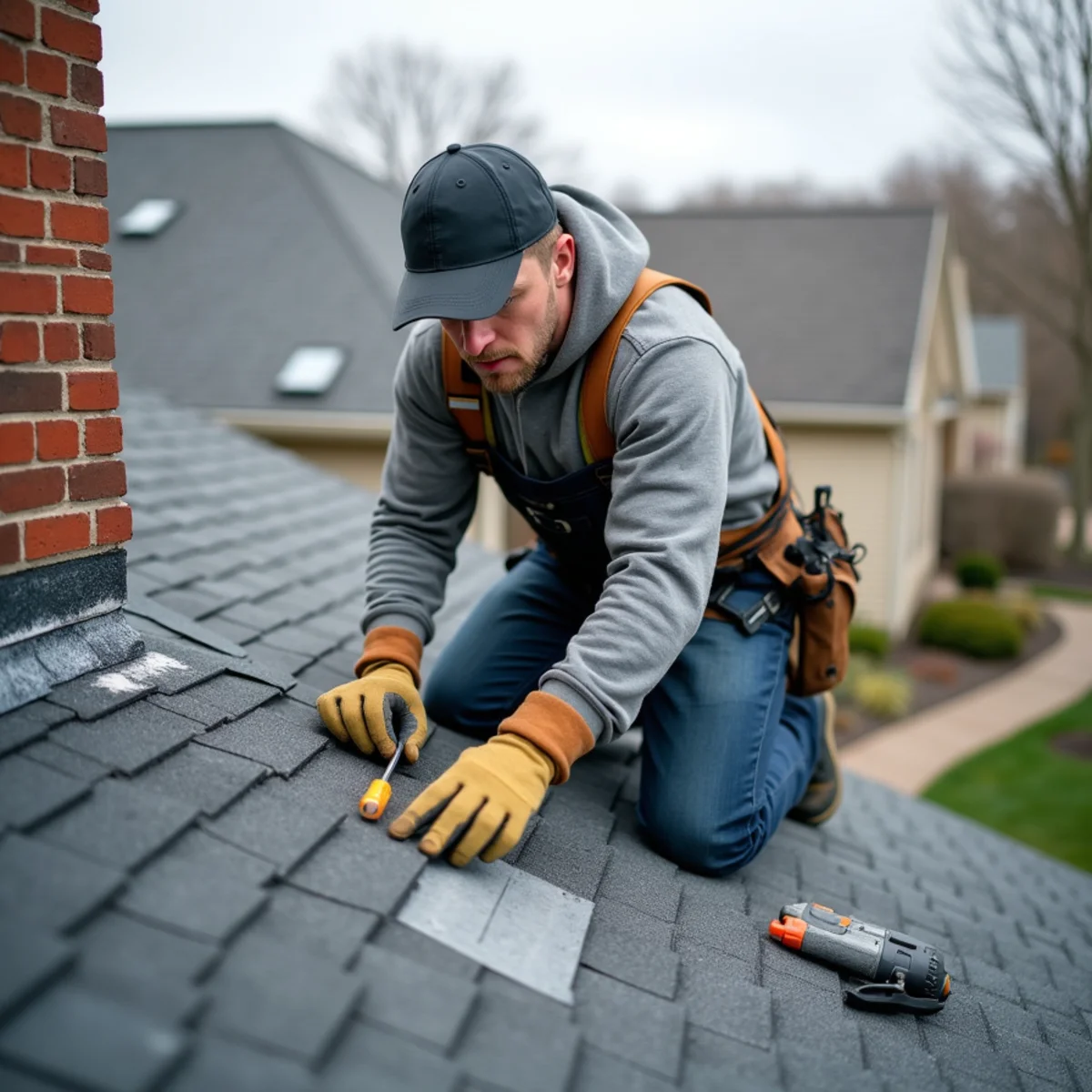
Not every roof problem is a replacement. A lifted shingle, a cracked pipe boot, a failed step flashing at a wall, or a nail pop that turned into a slow drip are all repairable when the rest of the roof is still serviceable. The trick is an honest diagnosis: we find the actual source of the leak — which is often several feet uphill from the stain on your ceiling — and fix it so it stays fixed.
- Locally Owned in Valparaiso
- Licensed & Insured
- 24/7 Emergency Response
- Free, No-Pressure Estimates
Not every roof problem is a replacement. A lifted shingle, a cracked pipe boot, a failed step flashing at a wall, or a nail pop that turned into a slow drip are all repairable when the rest of the roof is still serviceable. The trick is an honest diagnosis: we find the actual source of the leak — which is often several feet uphill from the stain on your ceiling — and fix it so it stays fixed.
We repair roofs across Valparaiso and Porter County with the same documentation discipline we bring to full replacements. You get photos of what failed, a clear explanation of why, and a repair that matches the existing system instead of a mismatched patch that fails next season.
Common repairs we handle
- Active leaks around chimneys, skylights, valleys, and wall intersections.
- Wind-lifted or missing shingles after a storm.
- Cracked or slipped pipe boots and rusted vent flashing.
- Damaged or clogged valleys causing water to back up.
- Nail pops, exposed fasteners, and small punctures from foot traffic or branches.
- Failed sealant and flashing at HVAC curbs and satellite mounts.
What’s Included With Your Roof Repair in Valparaiso
No vague “we’ll fix the roof.” Here’s what you get on the job, spelled out before we start:
- Leak-source diagnosis that traces the water back to its true entry point
- Photo documentation of the failed shingle, flashing, boot, or valley
- Color- and profile-matched shingle replacement where matching is possible
- Rebuilt or resealed flashing at walls, chimneys, skylights, and penetrations
- New pipe-boot and vent flashing where the old gaskets have cracked
- Nail-pop, exposed-fastener, and small-puncture correction
- Water testing of the repair where practical to confirm it holds
- A written record of the repair for your files and any future claim
Our roof-repair process
- 1
Find the true source
We trace the leak from the interior stain back to the actual entry point on the roof — not just the nearest wet spot.
- 2
Document the failure
Photos of the flashing, shingle, or boot that failed, so you understand what you’re paying to fix.
- 3
Repair to match
We color- and profile-match shingles where possible and rebuild flashing details to shed water correctly.
- 4
Verify & report
We water-test where appropriate and give you a written record of the repair for your files.
When a repair is the smart money — and when it isn’t
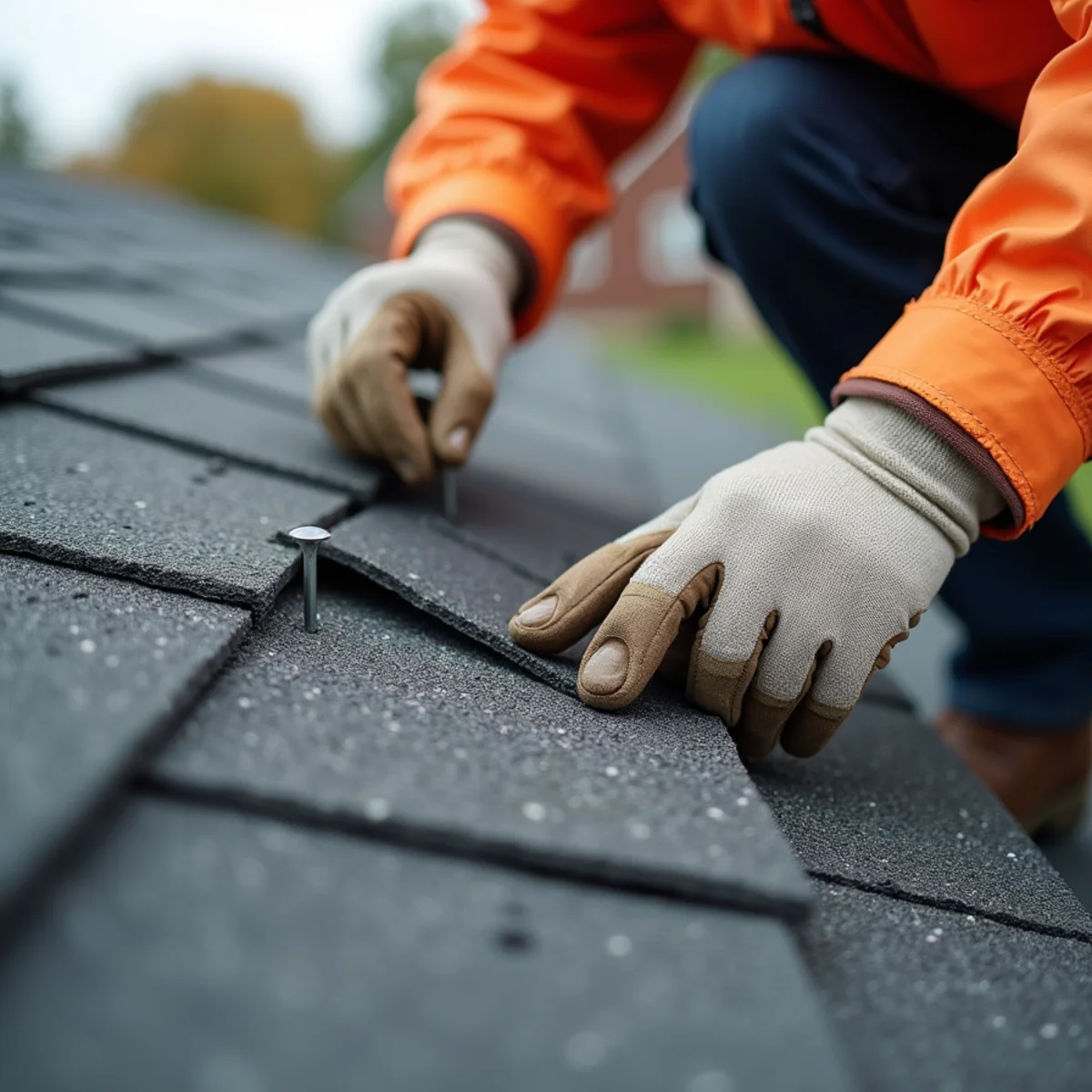
A repair is the right call when the failure is localized and the surrounding roof still has real life left. Spending $400 to stop a flashing leak on an eight-year-old roof is a good decision. Spending the same $400 for the third time on a twenty-two-year-old roof that’s losing granules everywhere is throwing money at a roof that’s already telling you it’s done.
We’ll tell you which situation you’re in. If a repair buys you years, we repair. If you’re better served planning a replacement — especially if a storm may qualify for an insurance claim — we’ll show you the photos and let you decide with the facts in front of you.
Why Valparaiso Homeowners Choose Anto for Roof Repair
We find the real source
Water travels along decking and rafters before it drips, so the stain is rarely under the leak. We trace it back to the actual entry point instead of sealing the nearest wet spot.
Repairs that match your roof
We color- and profile-match shingles as closely as the product line allows and rebuild flashing to shed water correctly — not a mismatched tar patch that fails next season.
Honest repair-vs-replace advice
If a $400 repair buys you real years, we repair. If you’re throwing money at a roof that’s already done, we’ll show you the photos and let you decide — no upsell games.
Documented and warrantied
You get photos of what failed, a clear explanation of why, and a written record of the repair for your files and any future insurance claim.
What separates a lasting roof repair from a patch that fails next season?
The difference is almost never the shingle — it’s whether the repair rebuilt the water path or just covered the symptom. A lasting repair weaves new shingles into the existing courses and reconstructs the flashing so water is directed the way the roof was designed to shed it. A failing patch is the opposite: a smear of roofing tar or caulk over a gap. Sealant is a gasket, not a structural fix, and in our freeze-thaw swings it hardens, cracks, and lets go within a season or two, so a caulk-only “repair” is a countdown, not a solution.
Red flags to watch for: a repair quoted before anyone found the actual leak source, face-nailing shingles with exposed fasteners instead of proper concealed nailing, and reusing kinked old flashing to save an hour. Each one buys a few dry weeks and then reopens. If you keep paying to fix the same spot, the problem is usually the method, not the roof.
Timing matters as much as technique. A small flashing failure caught early is a modest fix; the same failure left through a winter soaks decking and insulation and turns a repair into a deck-and-drywall job. If you’re not sure whether a spot is worth chasing or the roof is near the end, our full roof replacement page walks through when repairing stops being the smart money.
How do you keep small roof problems from turning into repairs at all?
The cheapest roof repair is the one you prevent. Most of the leaks we’re called for started as something visible months earlier — a rubber boot with a hairline crack, a shingle the wind lifted and laid back down, or a gutter so packed it overflowed against the fascia every rain. A twice-a-year habit of walking the perimeter with binoculars and glancing into the attic with a flashlight catches these while they’re still a caulk-and-a-shingle fix rather than a soaked-sheathing job.
Focus attention where roofs actually fail: the penetrations and transitions, not the open field. Check the rubber boots around plumbing vents, which dry-rot and split long before the shingles wear out; the step flashing where a roof plane meets a wall; and the sealant at the chimney. Keep the valleys and gutters clear so water isn’t forced sideways under the shingles, and after a hard freeze-thaw stretch look for popped nails backing out of the deck. Our fall roof maintenance checklist walks through the seasonal pass in order. Catching one bad boot in October is a modest afternoon; finding it in March after it has rotted the decking is a very different conversation.
What to expect during a roof repair visit
A repair visit looks nothing like a full replacement day. There’s no dumpster, no all-day pounding, and most single-issue repairs are wrapped up in a few hours to a day. To get ready, just clear the driveway and move any vehicle out from under the work area so we can set ladders safely, tuck patio furniture and grills away from that section of the house, and keep pets indoors while there’s activity along the eaves. You don’t need to empty the attic or take down wall art the way a tear-off demands — the footprint is small and contained.
When the crew arrives, we start inside if there’s a stain, reading the clues and checking the attic, then trace the water back to its true entry point on the roof. We photograph the failed boot, flashing, or shingle, make the repair to match the existing system, and water-test it where practical before packing up. Our spring roof inspection checklist covers the same trouble spots we’re checking. If rain is in the forecast before we can return for a larger fix, we’ll tarp the area so the leak stops now rather than soaking more of the decking.
You’re left with a documented repair — photos of what failed, a written record for your files and any future claim, and a roof section that sheds water the way it was designed to. For a straightforward repair, you’ll often have your normal roof back the same day we arrive.
What affects repair cost
Every roof is different — these are the factors that move the number. We give you a written, line-item scope after a free inspection. Cost figures are planning benchmarks, not quotes.
- Minor repairs typically run in the $150–$600 range; moderate repairs $600–$2,500 (regional planning context, not a quote).
- How accessible the damage is — steep or high roofs take more setup.
- Whether flashing, decking, or ventilation also needs attention.
- Shingle availability and how closely we can match an older roof’s color.
- Whether the repair is a stand-alone fix or the first step toward a planned replacement.
Roof Repair Across Valparaiso & Porter County
We handle roof repairs across Valparaiso, Porter County, and the surrounding towns — leak and flashing repairs in Chesterton and Portage, storm-driven shingle repairs in Hobart, and older-roof patch work throughout the region. If water is coming in, we prioritize your call.
Roof Repair FAQs
Related Roofing Services
Roof Leak Repair
Same-day leak detection & repair — flashing, valleys, ice-dam backups & vents.
Learn moreRoof Replacement
Full tear-offs, shingle & metal systems, permits, and complete cleanup.
Learn moreGutter Installation & Guards
Seamless gutters & leaf guards that stop ice dams, overflow, and foundation damage.
Learn moreRoof Inspection
Free, documented roof inspections — photo report, honest repair-or-replace call.
Learn moreNeed Roof Repair in the Valparaiso Area?
Call for a free inspection and a written estimate — or send us a few details and we’ll reach out.
- Licensed & Insured
- 24/7 Emergency Response
- Free, No-Pressure Estimates