
Roofing Service
Roof Inspection in Valparaiso, Indiana
A roof inspection is the step that should come before every roofing decision — and the one most homeowners skip until there’s a stain on the ceiling. A real inspection tells you what shape your roof is actually in: how much service life is left, whether a small repair will hold, whether storm damage is hiding where you can’t see it, and whether you’re looking at years of easy maintenance or a replacement on the horizon.
- Locally Owned in Valparaiso
- Licensed & Insured
- 24/7 Emergency Response
- Free, No-Pressure Estimates
A roof inspection is the step that should come before every roofing decision — and the one most homeowners skip until there’s a stain on the ceiling. A real inspection tells you what shape your roof is actually in: how much service life is left, whether a small repair will hold, whether storm damage is hiding where you can’t see it, and whether you’re looking at years of easy maintenance or a replacement on the horizon.
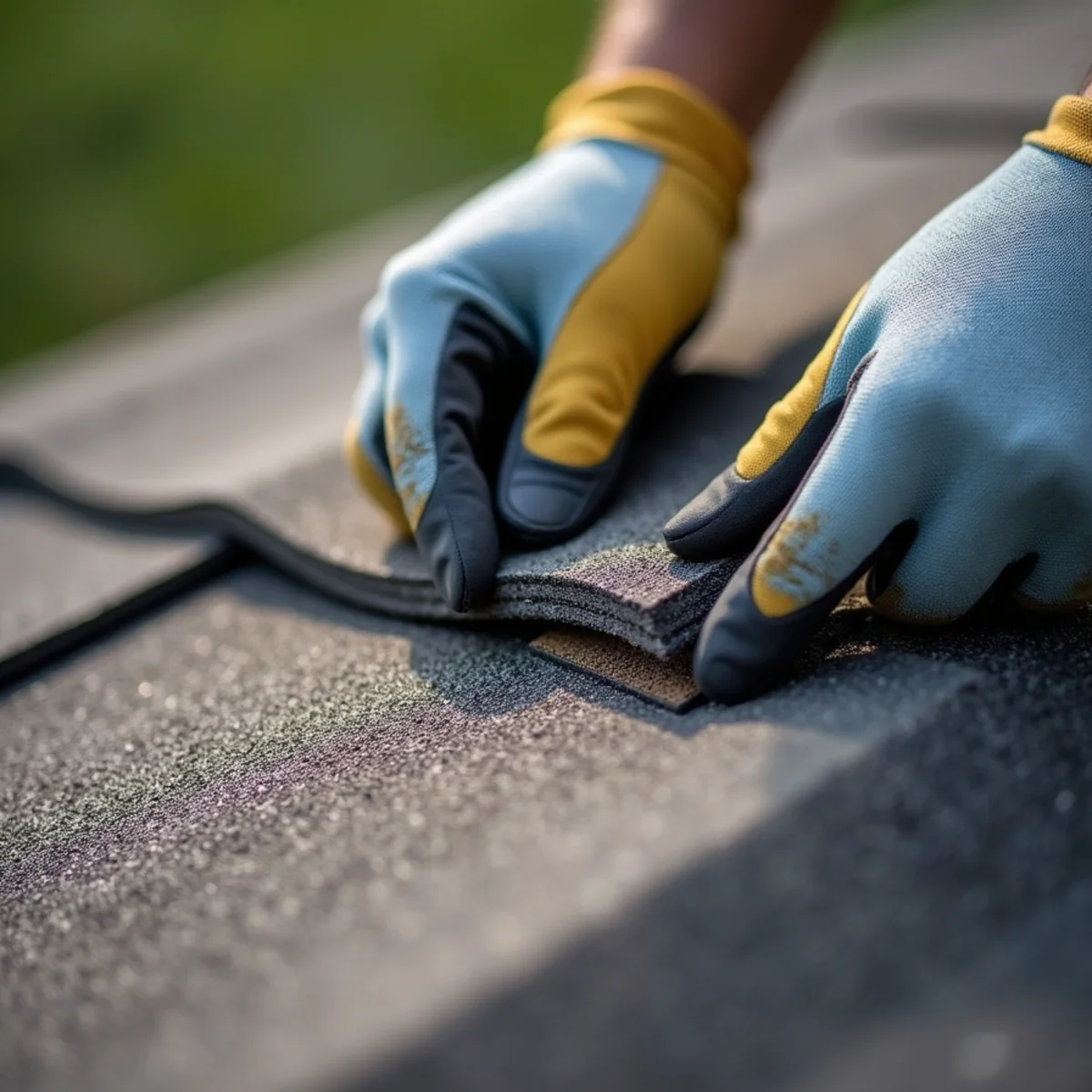
Our inspections are free, and they end with something you can hold onto — a documented, photo-backed report of what we found, not a sales pitch. We climb the roof (safely, or with a drone when the pitch or conditions call for it), check the attic where we can, and photograph every elevation, valley, flashing, and penetration. Then we tell you the honest truth, even when the truth is “your roof is fine, call us in a few years.”
When you should get a roof inspection
- After any hail, high-wind, or severe-storm event — damage is often invisible from the ground.
- Before buying or selling a home, when the roof’s condition affects the deal.
- When a ceiling stain, damp attic, or musty smell suggests a hidden leak.
- Before an insurance claim, to document the damage properly the first time.
- On a roof that’s 12–20+ years old and you’re not sure how much life is left.
- Once a year as routine maintenance — catching small issues before they become emergencies.
What’s Included With Your Roof Inspection in Valparaiso
No vague “we’ll fix the roof.” Here’s what you get on the job, spelled out before we start:
- A full exterior assessment — shingles or panels, valleys, ridge, hips, and rakes
- Flashing inspection at chimneys, walls, skylights, dormers, and every penetration
- Pipe-boot, vent, and gasket check for the cracks that cause the most common leaks
- Gutter, downspout, drip-edge, soffit, and fascia condition review
- Attic check (where accessible) for moisture, daylight, staining, and insulation issues
- Ventilation balance review — intake vs. exhaust, the hidden cause of premature aging
- Photo documentation of each elevation and every problem area, kept in your report
- A written, plain-English recommendation — repair, maintain, or replace — with the reasoning
What our roof inspection covers
- 1
Ground & exterior walk
We start at ground level — gutters, downspouts, soffit, fascia, and the lines of the roof — reading what the edges reveal about the whole system.
- 2
On-roof (or drone) assessment
We get on the roof where it’s safe, or fly a drone when pitch, height, or weather call for it, and inspect shingles, valleys, flashing, boots, and ridge.
- 3
Attic & ventilation check
Where accessible, we check the attic for moisture, daylight, staining, and whether intake-and-exhaust ventilation is actually balanced.
- 4
Photo documentation
We photograph each elevation and every problem area so you see exactly what we saw — the same evidence an insurer needs to review a claim fairly.
- 5
Written findings & honest recommendation
You get a plain-English report: repair, maintain, or replace — with the reasoning and photos behind it, and no pressure to decide on the spot.
A five-minute “free inspection” isn’t an inspection
The roofing industry has a reputation problem, and storm-chasing “free inspections” are a big reason why. A crew that spends five minutes in your driveway, declares your roof “totaled,” and hands you a contract before they leave isn’t inspecting your roof — they’re prospecting for a claim. A genuine inspection takes time: it means getting on the roof or flying it, checking the attic, and documenting condition elevation by elevation.
The other tell is what you walk away with. A real inspection ends in evidence — photos, notes, and a recommendation you can read, question, and get a second opinion on. If a “report” is just a verbal “you need a new roof” and a pen pointed at the signature line, that’s a sales tactic, not an assessment. We’d rather lose the job to an honest second opinion than pressure you into a roof you don’t need.
Why Valparaiso Homeowners Choose Anto for Roof Inspection
A report, not a pitch
You leave every inspection with documented photos and a written recommendation you can question, keep, and get a second opinion on — never a contract pushed under your pen in the driveway.
We say “your roof is fine”
When a roof has real life left, we tell you so and tell you when to call us back. We’d rather earn a replacement in three years than sell one you don’t need today.
Claim-ready documentation
If we do find storm damage, our photos of each elevation, flashing, and soft-metal dent are exactly the evidence your insurer needs to review a claim fairly.
Local eyes on local roofs
We know what lake-effect ice dams, freeze-thaw movement, and open-farmland wind do to Northwest Indiana roofs — so we know where to look, not just what to photograph.
How to read a roof inspection report — and spot a dishonest one
A trustworthy inspection report shows its work. It names the specific conditions found — “lifted step flashing on the north wall,” “cracked pipe boot over the master bath,” “granule loss consistent with age on the west slope” — and backs each one with a photo. Vague conclusions like “widespread damage” with no images to support them are the first red flag. If you can’t see it, you can’t verify it, and neither can a second opinion or an insurance adjuster.
The recommendation should match the evidence. A handful of localized issues on a sound roof points to a targeted repair, not a tear-off. Widespread granule loss, saturated decking, or damage across multiple slopes points to a full replacement — and an honest report explains which one you’re looking at and why. Be wary of any inspection that jumps straight to replacement without showing you the age-versus-damage picture that justifies it.
Finally, a good report separates storm damage from ordinary wear, because they’re paid for very differently. Hail bruising and wind creasing may be a covered insurance loss; a roof that’s simply worn out from age is a maintenance expense you plan for. We document both honestly — and if it’s a claim, our insurance-claim documentation gives your adjuster what they need. It never means a free roof; your deductible is always yours under Indiana law, but complete evidence is what gets a fair claim paid.
What a Northwest Indiana roof inspection looks for that a generic checklist misses
Roofs fail along regional patterns, and a good local inspection is really a search for this area’s specific failure points. Near the Lake Michigan shoreline — Portage, Ogden Dunes, the Duneland towns — the first thing we look for is the evidence of ice dams: staining at the eaves, damaged shingles along the first few feet, and the attic-ventilation and insulation gaps that let warm air melt snow that refreezes at the cold edge. A checklist that ignores the attic misses the actual cause.
Drop south into the open farmland around Hebron, Kouts, and Boone Grove and the inspection shifts to wind. Flat, unobstructed exposure lets gusts get under tabs and lift ridge caps, so we read the ridge line, the rake edges, and the windward slope closely — creased shingles and backed-out nails there tell a wind story long before a leak does. The same storms that National Weather Service Chicago warnings flag for the county leave different fingerprints depending on which side of US-30 you live on.
Across the whole county, freeze-thaw is the quiet destroyer. Water works into a hairline crack in flashing or a shingle, freezes, expands, and levers things loose over a few winters. That’s why we inspect every flashing joint and penetration by hand where we can — the failures that let water in are usually small, specific, and invisible from the street. Catching one early is exactly what turns a leak repair into a non-event instead of a ruined ceiling.
How to prepare for your inspection, and what happens after
There’s almost nothing you need to do to get ready — that’s the point of a free inspection. It helps if you can point us to any spot you’ve noticed acting up (a ceiling stain, a drip during wind-driven rain, a section that looks different from the ground) and, if it’s safe and accessible, clear a path to the attic hatch so we can check for moisture and ventilation from the inside. Beyond that, you don’t need to be on the roof or even home the whole time, though we’re happy to walk you through everything when we’re done.
After the inspection, you get the findings and the photos, and then you get time. There’s no “sign today or the price goes up” — a roof’s condition doesn’t change because you took a week to think, get a second opinion, or talk to your insurer. If the roof is sound, we’ll tell you when to have us back. If it needs a repair, you’ll get a written, line-item scope. If it needs replacing, we’ll lay out the options — asphalt shingles or a longer-lived metal system — and the honest trade-offs of each.
If the inspection turns up storm damage, the report becomes your starting point for a claim. We can meet your adjuster on-site so the scope reflects the true loss, and our storm-damage documentation gives the carrier the elevation-by-elevation evidence they need. To be clear about the money: Indiana law prohibits waiving or absorbing your deductible, so we never promise a free roof — what we promise is a claim file complete enough to be paid fairly.
Is a roof inspection worth the cost?
Every roof is different — these are the factors that move the number. We give you a written, line-item scope after a free inspection. Cost figures are planning benchmarks, not quotes.
- Our standard roof inspection is free — you get the report whether or not you hire us for any work.
- A specialized roof certification for a real-estate closing may involve a documentation fee; we quote it up front.
- Catching a failed flashing or pipe boot early (a $150–$600 range repair, planning context) beats a five-figure interior-damage bill later.
- A documented pre-claim inspection can be the difference between a fairly paid storm claim and a denied one.
- Knowing your roof has real life left keeps you from replacing a roof that didn’t need replacing.
Roof Inspection Across Valparaiso & Porter County
We run free roof inspections across Valparaiso and all of Porter County, and out into the surrounding Northwest Indiana towns — from the ice-dam-prone lakeshore north to the wind-exposed farmland south. Whether you’re downtown near Central Park, out in the newer Aberdeen-area subdivisions, or in Chesterton, Portage, or Crown Point, a documented inspection is a short drive from our downtown Valparaiso shop.
Roof Inspection FAQs
Related Roofing Services
Roof Repair
Leaks, missing shingles, flashing and vent repairs — fixed right the first time.
Learn moreRoof Replacement
Full tear-offs, shingle & metal systems, permits, and complete cleanup.
Learn moreStorm Damage Roof Restoration
Inspection, documentation, claim support & full rebuilds after hail, wind & derechos.
Learn moreRoof Insurance Claims Assistance
Storm documentation, adjuster meetings & RCV-scope estimates — Indiana-law compliant.
Learn moreNeed Roof Inspection in the Valparaiso Area?
Call for a free inspection and a written estimate — or send us a few details and we’ll reach out.
- Licensed & Insured
- 24/7 Emergency Response
- Free, No-Pressure Estimates