Roofing Service
Flat & Low-Slope Roofing in Valparaiso, Indiana
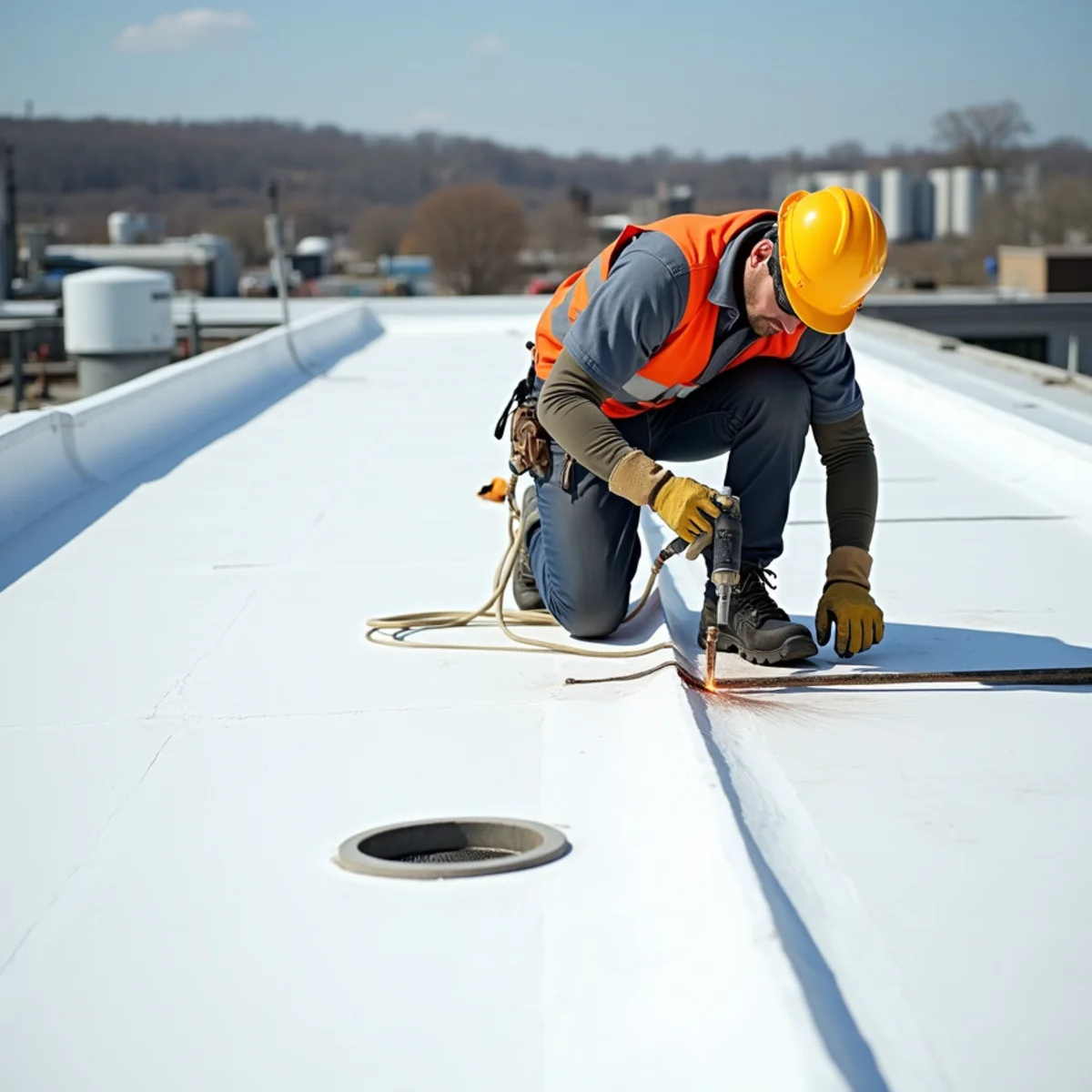
Flat and low-slope roofs don’t shed water the way a steep shingle roof does — they hold it and drain it, which means the membrane and the details are everything. Porch roofs, additions, dormered sections, and commercial buildings across Valparaiso all rely on a properly seamed membrane to stay dry through ponding rain, snowmelt, and freeze-thaw.
- Locally Owned in Valparaiso
- Licensed & Insured
- 24/7 Emergency Response
- Free, No-Pressure Estimates
Flat and low-slope roofs don’t shed water the way a steep shingle roof does — they hold it and drain it, which means the membrane and the details are everything. Porch roofs, additions, dormered sections, and commercial buildings across Valparaiso all rely on a properly seamed membrane to stay dry through ponding rain, snowmelt, and freeze-thaw.
We install and repair single-ply TPO and EPDM as well as modified-bitumen systems, matched to the slope, traffic, and budget of the roof. On a home, a low-slope section is often where shingles were forced onto a pitch they were never rated for — replacing it with the right membrane finally stops the chronic leak.
Flat & low-slope work we do
- TPO single-ply membrane — reflective, weldable seams, great for commercial and modern low-slope.
- EPDM rubber roofing — proven, flexible, ideal for many porches and additions.
- Modified-bitumen (torch/self-adhered) systems for smaller residential low-slope areas.
- Ponding-water correction with tapered insulation and improved drainage.
- Membrane repairs, seam re-welds, and flashing at curbs, drains, and walls.
What’s Included With Your Flat & Low-Slope in Valparaiso
No vague “we’ll fix the roof.” Here’s what you get on the job, spelled out before we start:
- Slope and drainage review to choose the right membrane
- Sound substrate prep and appropriate insulation
- Tapered insulation to correct ponding where water sits
- Fully adhered or mechanically attached TPO, EPDM, or modified-bitumen membrane
- Heat-welded or bonded seams built to hold standing water
- Termination bars and flashing at curbs, drains, walls, and penetrations
- Drainage confirmation and a water test where practical
- Documentation of the installed system for your records
Our flat-roof process
- 1
Slope & drainage review
We check where water sits and where it needs to go before choosing a system.
- 2
Substrate & insulation
Sound substrate, appropriate insulation, and tapered fill where ponding needs correcting.
- 3
Membrane installation
Fully adhered or mechanically attached membrane with heat-welded or bonded seams.
- 4
Detailing
Termination bars, curb and drain flashing, and wall transitions — the spots flat roofs actually leak.
- 5
Water test & report
We confirm drainage and hand you documentation of the installed system.
Why the wrong material fails a low-slope roof fast
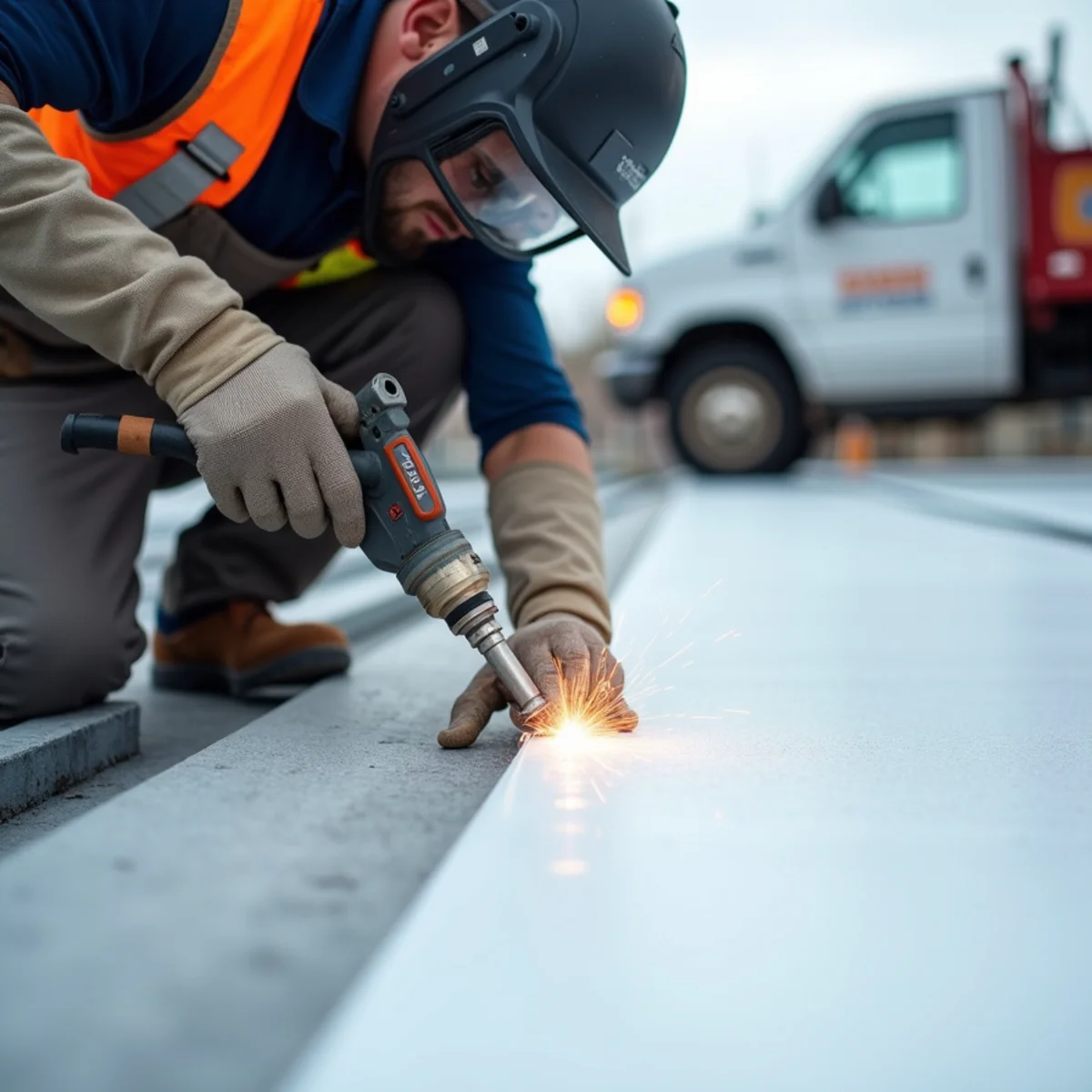
The most common flat-roof failure we see in Valparaiso is shingles installed on a slope too shallow for them. Shingles are designed to shed water quickly downhill; on a near-flat porch or addition, water lingers, wicks under the tabs, and finds the deck. No amount of tar or resealing fixes a slope problem — the roof needs a membrane rated for low slope.
Choosing between TPO and EPDM comes down to the building. TPO’s reflective white surface and welded seams suit commercial roofs and modern homes; EPDM’s flexibility and long track record make it a dependable pick for many residential porches and additions. We’ll match the membrane to how the roof drains and how it’s used.
Why Valparaiso Homeowners Choose Anto for Flat & Low-Slope
The right membrane for the slope
We match TPO, EPDM, or modified bitumen to how the roof drains and how it’s used — not a one-size membrane that fails at the seams.
We fix the slope problem, not just the leak
Most flat-roof failures we see are shingles forced onto a low slope. We replace those sections with a membrane rated to hold and drain water so the chronic leak actually stops.
Ponding correction that lasts
Where water sits, we correct it with tapered insulation and improved drainage so the membrane isn’t stressed by standing water every rain.
Detailing where flat roofs really leak
Termination bars, curb and drain flashing, and wall transitions get the attention — those spots, not the field, are where low-slope roofs give up.
What goes wrong on a flat roof before the membrane itself fails?
On a low-slope roof, the membrane in the open field is rarely what fails first — it’s the transitions. Roughly speaking, the leaks show up where the flat plane meets something: a parapet wall, a curb around a rooftop unit, a drain, a vent penetration, or the edge termination. Those are the spots that flex, collect debris, and take the most thermal stress, and they’re exactly where a rushed install cuts corners. When you’re evaluating flat-roof work, the quality of the flashing and termination details tells you far more than the brand of membrane on the field.
The second thing homeowners miss is drainage. A flat roof isn’t truly flat — it needs enough pitch or tapered insulation to move water to the drains within a couple of days. Standing water isn’t just cosmetic: it magnifies UV and freeze-thaw damage, adds weight, and finds any weak seam. If your roof still holds ponds a day after the rain stops, that’s a design problem no patch will fix. For a business weighing coating versus tear-off, our Valparaiso service area page is a good place to start a conversation.
Finally, foot traffic quietly kills membranes. HVAC techs and satellite installers walking a soft TPO roof scuff and puncture it. If people go up there, the roof needs walk pads — a cheap detail that prevents an expensive one.
How do you make a flat roof last its full 20-to-30 years?
A low-slope membrane doesn’t shed water and forget about it the way a steep roof does — it holds and drains, which means routine attention is what separates a membrane that reaches thirty years from one that quits at twelve. The single most important task is keeping drains, scuppers, and internal gutters clear. A clogged drain turns an ordinary rain into a standing pond that magnifies UV and freeze-thaw stress, adds weight, and finds any tired seam. A ten-minute clear-out each season prevents most of it.
Beyond drainage, walk the roof twice a year and after storms to check the spots that actually fail: the flashing at parapet walls, the boots and curbs around rooftop units, and the edge terminations. Look for seams starting to lift, punctures from dropped tools or foot traffic, and debris piling into low corners. Anything servicing an HVAC unit up there should walk on pads, not bare membrane. For a commercial building, a documented semi-annual program is the cheapest insurance there is — our flat-roof maintenance plan guide shows what a real inspection cycle catches before it becomes an interior leak.
What to expect during your flat roof installation
How you prepare for a flat or low-slope install depends on where the roof is. For a porch or addition on a home, move patio furniture, grills, and planters clear of the area and give us a staging spot for materials near the access point. For a commercial building, the bigger job is coordination: we schedule around your operating hours and let you warn tenants or staff, because adhesives and hot-air welding can carry an odor, and rooftop work means some noise below.
The install itself follows the water. We tear off to a sound substrate, add insulation and tapered fill where ponding needs correcting, then lay the TPO, EPDM, or modified-bitumen membrane and heat-weld or bond the seams. The details at curbs, drains, walls, and edge terminations — where low-slope roofs actually leak — get the real attention, and we finish with a water test. A small residential section is usually a day or two; a larger commercial roof runs longer, and our commercial roofing team phases the work so your building stays open and dry throughout.
Membranes need a dry substrate and cooperative temperatures to bond and weld correctly, so cold or wet weather can shift the schedule — rushing a seam in the wrong conditions is how a roof leaks in year two. When we finish, you’ll have a documented system, confirmed drainage, and a roof rated to hold and shed water instead of shingles fighting a slope they were never built for.
What affects flat-roof cost
Every roof is different — these are the factors that move the number. We give you a written, line-item scope after a free inspection. Cost figures are planning benchmarks, not quotes.
- Membrane type — EPDM, TPO, or modified bitumen — and thickness.
- Square footage and how much tear-off and insulation the deck needs.
- Whether drainage or ponding correction (tapered insulation) is required.
- Number of penetrations, curbs, and drains to flash.
- Access and whether it’s a residential porch or a commercial rooftop.
Flat & Low-Slope Across Valparaiso & Porter County
We install and repair flat and low-slope roofs across Valparaiso and the region — porch and addition membranes on homes in Chesterton and Portage, and commercial low-slope work on retail and office buildings in Merrillville and Hammond.
Flat & Low-Slope FAQs
Related Roofing Services
Commercial Roofing
TPO/EPDM flat roofs, coatings & maintenance plans for retail, office & industrial.
Learn moreRoof Repair
Leaks, missing shingles, flashing and vent repairs — fixed right the first time.
Learn moreMetal Roofing
Standing-seam & agricultural metal — 40–60 yr lifespan, snow-shedding, hail-tough.
Learn moreNeed Flat & Low-Slope in the Valparaiso Area?
Call for a free inspection and a written estimate — or send us a few details and we’ll reach out.
- Licensed & Insured
- 24/7 Emergency Response
- Free, No-Pressure Estimates