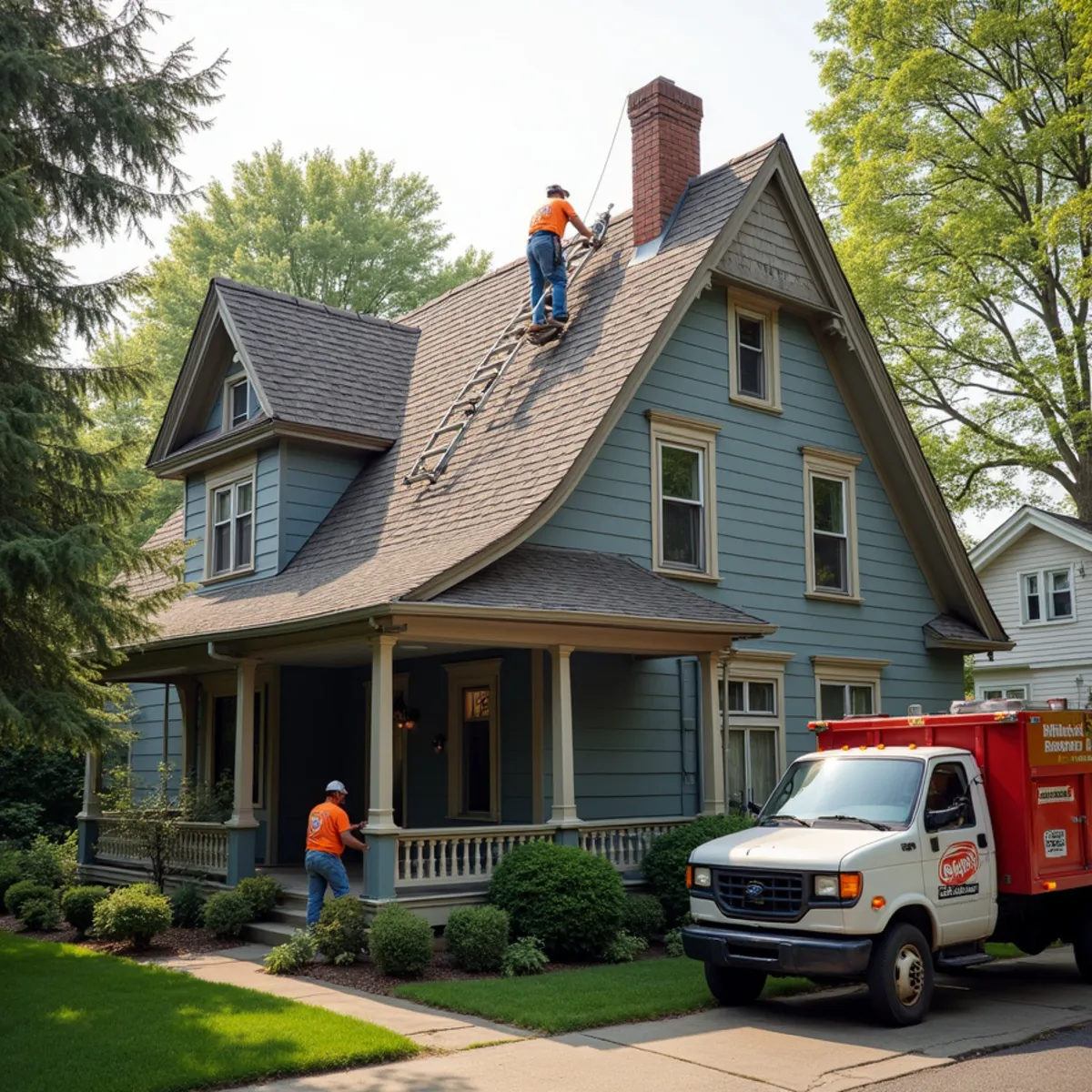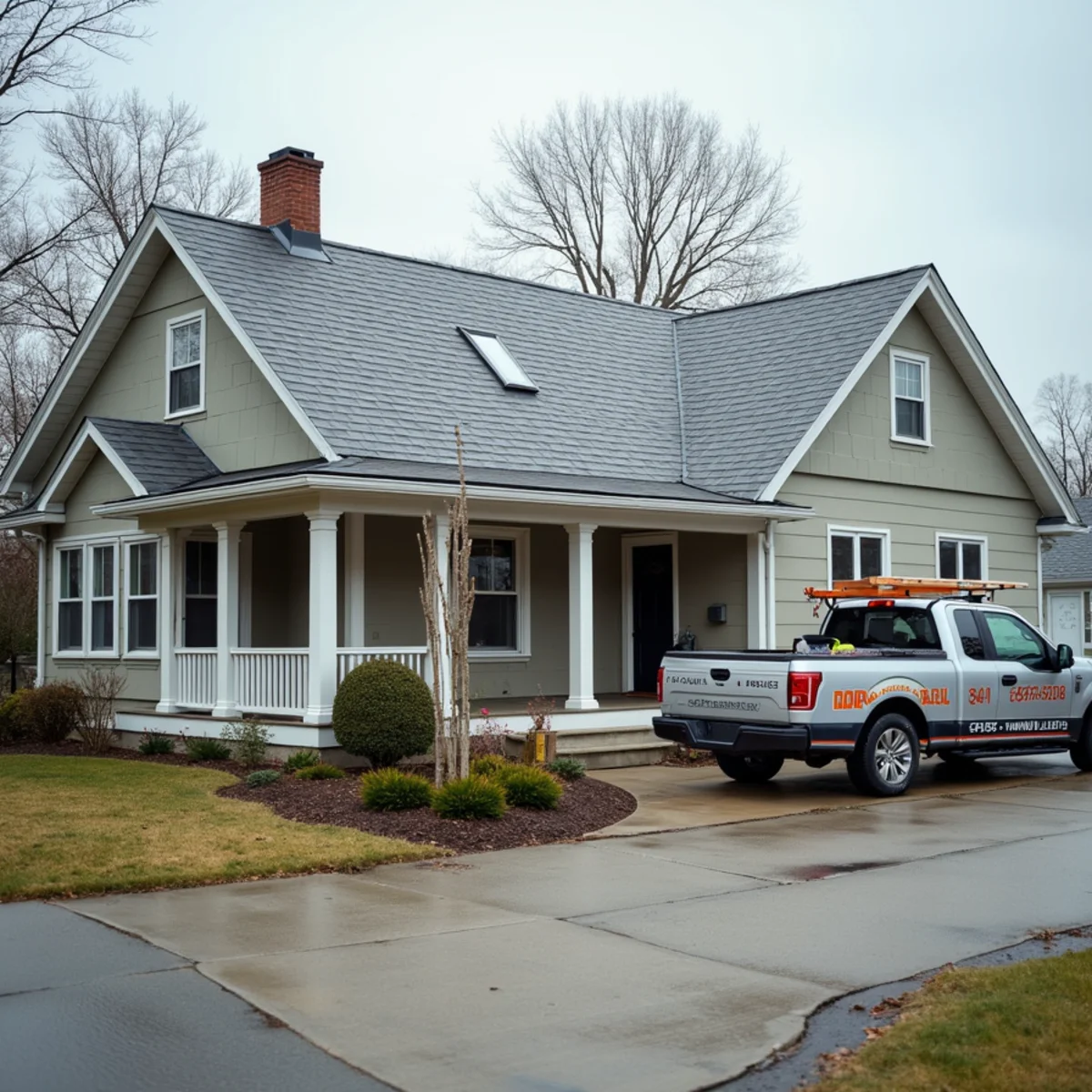
A plain-language guide to flat and low-slope roof systems for Indiana porches, room additions and storefronts, and how to pick one.
Not every roof sheds water the way a steep gable does. Porch covers, room additions, sunrooms and downtown storefronts often sit nearly level, and that changes everything about how the roof is built. A shingle that works fine on a 6:12 pitch will leak on a 1:12 slope because water sits on it instead of running off. If you own a low-slope section anywhere in Northwest Indiana, the material and the drainage plan matter more than the color.
At Anto Roof Replacement & Repair, we install and service low-slope systems across the region, and this guide walks through the real choices. Whether you need flat and low-slope roofing for a home addition or a full membrane on a commercial building, the fundamentals are the same: pick a material rated for standing exposure, plan the water's exit path, and detail the flashing correctly.
What Counts as a Flat or Low-Slope Roof
Roofers call anything under a 3:12 pitch low-slope, and anything close to level flat, though a true zero-slope roof is a bad idea because water needs somewhere to go. Most porches and additions built in Porter and Lake counties fall between a barely-there 1/4:12 and a 2:12. That is too shallow for asphalt shingles, which rely on gravity and overlap to keep water out. On a low slope, wind-driven rain and pooling water push moisture backward under the laps, so a continuous membrane is the right answer.
The freeze-thaw cycle in Indiana makes this harder. Water that ponds on a flat roof in November can freeze, expand, and work open a seam by February. That is why we obsess over slope-to-drain and seam quality on every low-slope job.
The Main Membrane Options
TPO (Thermoplastic Polyolefin)
TPO is a single-ply membrane with heat-welded seams. It comes in white, which reflects summer sun and keeps upper rooms cooler, and the welded seams create a continuous watertight surface. It has become the workhorse for storefronts and additions because it balances cost, reflectivity and durability. When a property manager asks us about commercial roofing for a strip retail building, TPO is usually the first system we price.
EPDM (Rubber Membrane)
EPDM is a synthetic rubber sheet, typically black, that has protected flat roofs for decades. It handles temperature swings well and stays flexible in cold weather, which matters during a Lake Michigan winter. Seams are bonded with tape or adhesive rather than heat-welded, so seam maintenance is the thing to watch over the years.
Modified Bitumen
Modified bitumen is an asphalt-based system reinforced with polyester or fiberglass and applied in layers, often torch-down or with cold adhesive. It is tough underfoot, which makes it a good pick for a porch roof that doubles as a walkable deck or a roof that sees foot traffic for HVAC service.
Drainage Is the Whole Ballgame
The best membrane will still fail if water has nowhere to go. On low-slope roofs we build in positive slope toward drains, scuppers or gutters using tapered insulation. A roof that ponds after every rain is a roof that ages fast. If you see standing water 48 hours after a storm, the drainage needs attention, and the EPA guidance on drying wet materials within 24 to 48 hours applies to the assembly underneath, not just the surface.
- Tapered insulation to create slope where the deck is dead level
- Interior drains with overflow protection on larger commercial roofs
- Scuppers and collector heads at parapet walls
- Properly pitched gutters where the low-slope roof meets a wall or fascia
Flashing and Transitions
Most low-slope leaks start at the edges, not the field. Where a flat porch roof ties into the main house wall, where a parapet caps a storefront, or where a vent pipe penetrates the membrane, the flashing has to be watertight and built to move with the roof. We terminate membranes into counterflashing and use ice-and-water shield at critical transitions so wind-driven rain cannot back up under the edge. If you have caught a small drip early, a targeted roof repair on the flashing can save the whole system.
Which Option Fits Your Building
For a homeowner in Valparaiso adding a sunroom, a welded TPO or an EPDM membrane usually makes the most sense. For a storefront owner in Hammond with rooftop units and drains, TPO or modified bitumen tends to win on durability and foot traffic. The right call depends on your slope, your drainage, how the roof gets used, and your budget. There is no single best material, only the best material for your roof.
Talk Through Your Low-Slope Roof With Anto
If you have a porch, addition or storefront roof that keeps leaking or is due for replacement, call Anto Roof Replacement & Repair at (855) 705-1940. We will look at your slope and drainage, explain your membrane options in plain terms, and give you a straight recommendation for your building.
How the Membrane Gets Attached Matters as Much as the Membrane
Homeowners obsess over TPO versus EPDM, but the attachment method quietly decides how a low-slope roof performs in an Indiana winter. A single-ply membrane can be mechanically fastened with plates and screws through the insulation into the deck, fully adhered with bonding adhesive, or held down with ballast. Mechanically fastened is the fastest and most economical, but the sheet can flutter and balloon in high wind, working the fasteners over time. Fully adhered lies flat and resists uplift better, which is why we lean toward it on exposed additions and storefronts that catch wind off open ground.
The layer you never see, the cover board over the insulation, is what makes a membrane walkable and puncture-resistant. A half-inch high-density cover board under the sheet keeps a dropped tool or a service tech's heel from bruising the roof, and it gives fasteners something solid to bite. Skipping it saves a few dollars per square and costs you punctures later. If you also manage the building's upkeep, our guide to a commercial flat-roof maintenance plan explains how those small penetrations turn into leaks.
On a low-slope roof, wind gets under the membrane before it ever gets on top of it. Attachment is your first line of defense, not the sheet itself.
For buildings in Merrillville and the commercial corridors nearby, we match the attachment to the wind exposure, the deck type, and how much rooftop foot traffic the roof will see, then spell it out in writing before a single fastener goes down.
When Is the Best Season to Put Down a Low-Slope Membrane?
Material choice gets all the attention, but on a flat roof the calendar quietly decides how well the finished membrane performs. Most single-ply systems lean on adhesives and sealants, and chemistry cares about temperature. The bonding adhesive for a fully adhered EPDM sheet, the seam tapes that splice one roll to the next, and the peel-and-stick underlayment at the edges all want surface temperatures comfortably above roughly 40 degrees to grab and cure. Try to bond them on a raw November morning and the adhesive skins over without sticking, leaving a seam that looks closed but lets go by spring.
- Adhesive-bonded EPDM and seam tapes that need surfaces above about 40 degrees
- Self-adhered underlayment and flashing that will not tack down in the cold
- Sealants and pourable pitch that cure poorly once the temperature drops
- Ponding water that freezes on a fresh deck before the slope-to-drain is finished
Heat-welded TPO is more forgiving in cold because the weld is thermal rather than chemical, but even then the crew has to keep the sheet and the welder hot, and a snow-dusted deck is no place to be working. The practical window in Northwest Indiana runs from late spring through fall, the same stretch our fall roof maintenance checklist tells you to button things up before the freeze. If a winter storm opens a low-slope roof, the right move is a documented tarp as a bridge, then the permanent membrane once temperatures cooperate. Building owners around Portage who schedule the work for the warm months get a membrane that seals the first time.
Flat-Roof Myths That Cost Indiana Owners Money
Low-slope roofing carries more folklore than almost any other part of a building, and acting on the myths is how owners end up with a roof that ponds, leaks, or gets patched by the wrong hands. Here is where the common beliefs part ways with what actually holds up over an Indiana freeze-thaw winter.
- Myth: a flat roof is truly flat. Fact: every sound low-slope roof is built with a slight pitch to a drain or scupper, because standing water is what ages a membrane fastest.
- Myth: flat roofs always leak. Fact: a properly welded or bonded membrane with detailed flashing routinely serves for decades; the leaks people remember came from bad seams and clogged drains, not the concept.
- Myth: you cannot walk on a flat roof. Fact: with a cover board and the right membrane, a low-slope roof handles regular service traffic, though random foot traffic still causes avoidable punctures.
- Myth: any handyman can patch it. Fact: TPO welds and EPDM seam chemistry are trade skills, and a caulk smear over a split seam traps water instead of sealing it.
The through-line is that a low-slope roof rewards correct detailing and punishes shortcuts. When a seam or flashing does let go, a prompt low-slope leak repair keeps a small breach from soaking the insulation below, where the EPA’s 24-to-48-hour drying window starts running. Building owners around Schererville who treat their membrane as a maintained system, not a set-and-forget surface, are the ones still on the original roof when their neighbors are budgeting a tear-off.