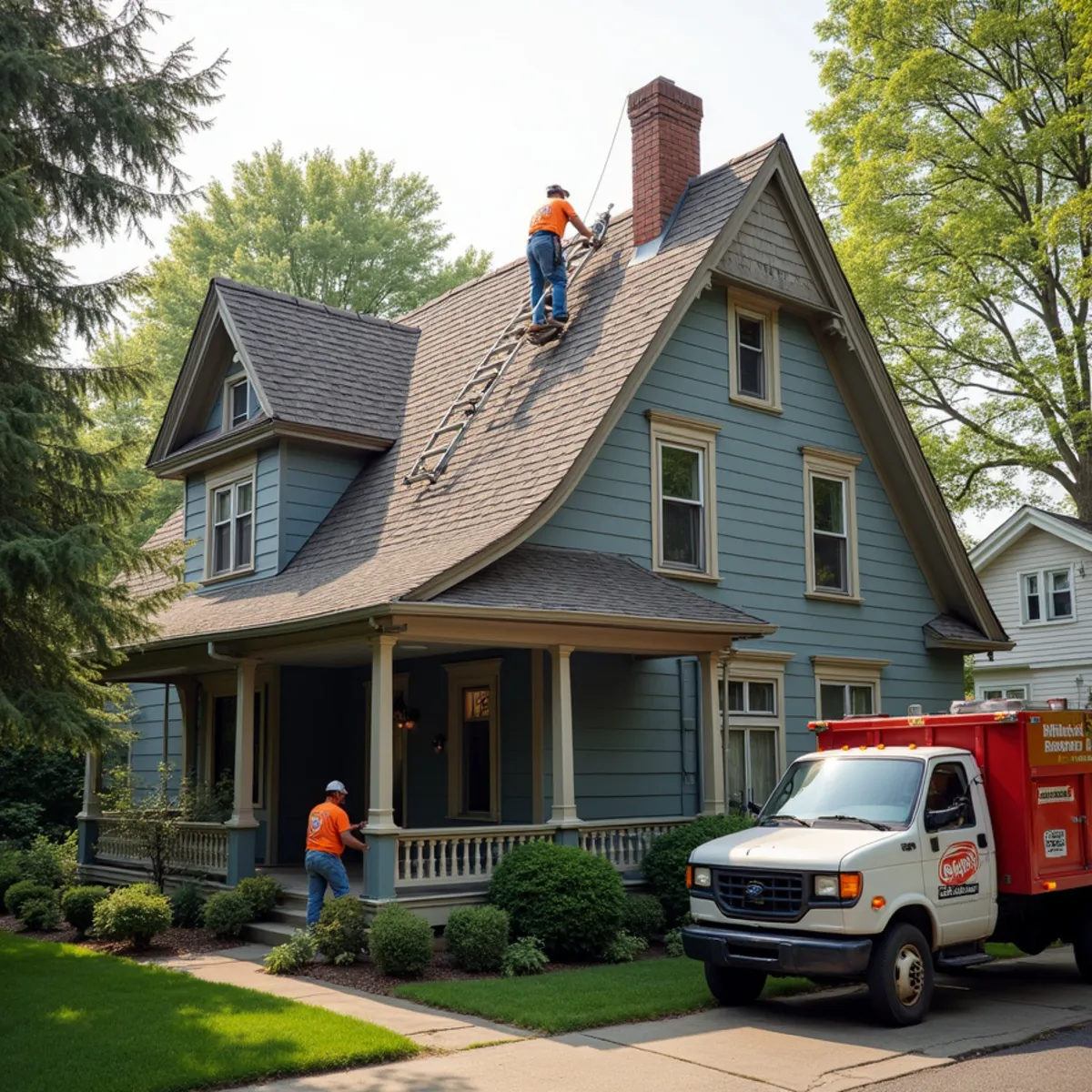
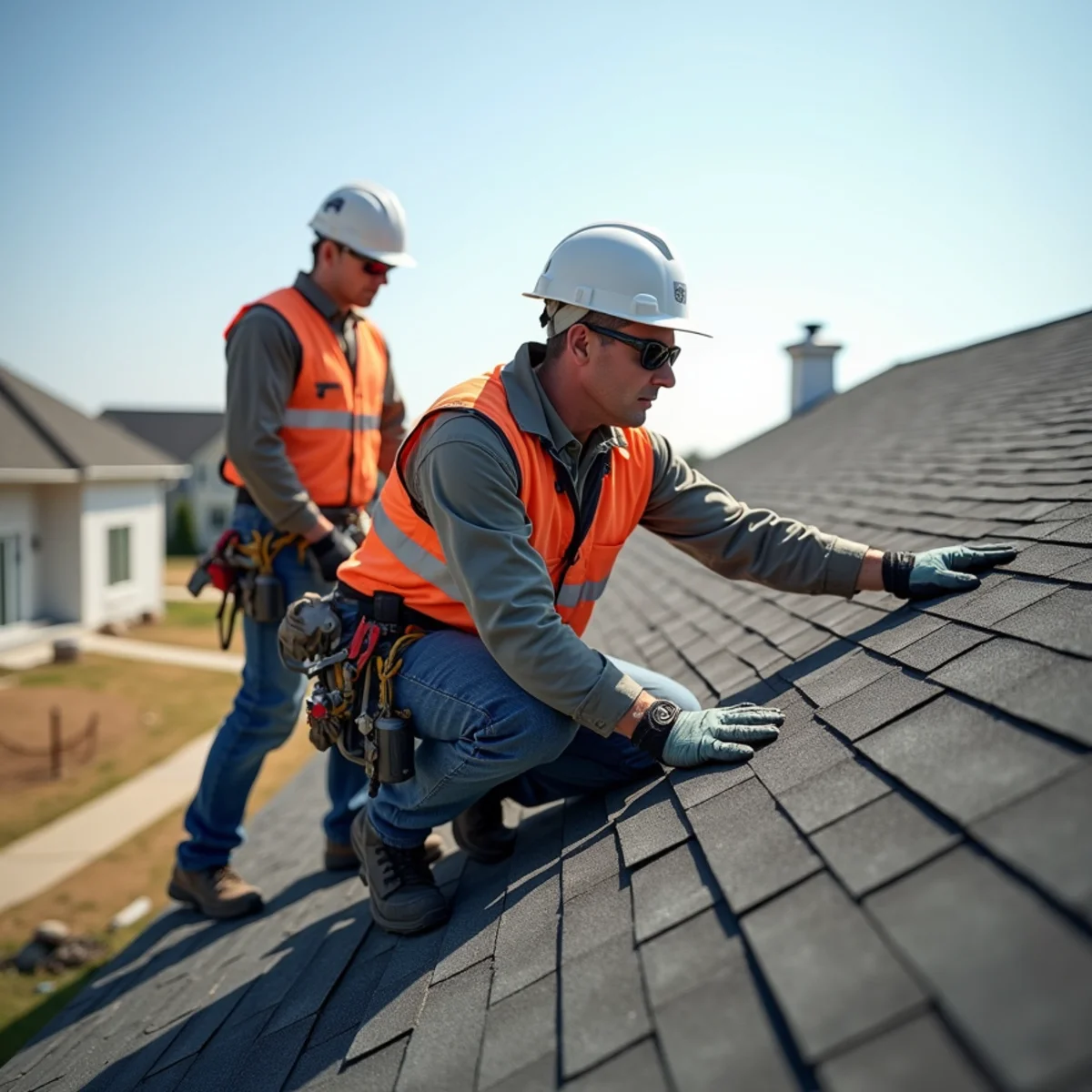
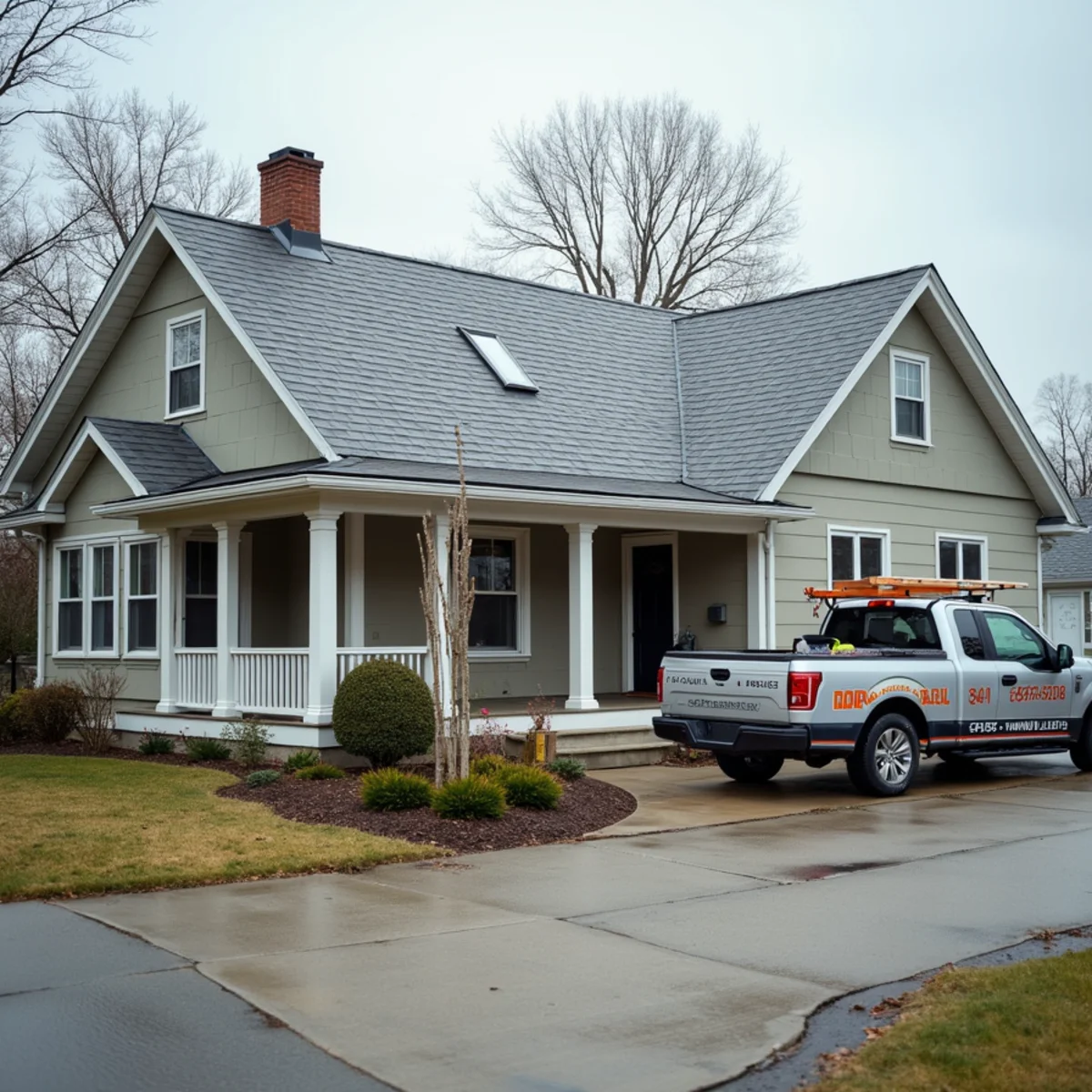
A “free roof inspection” can mean a careful, documented assessment — or a five-minute driveway sales pitch. Here’s exactly what a real one covers, and how to tell the two apart.
Two roofers can both offer you a “free roof inspection,” and you can get two completely different things. One climbs the roof, checks the attic, photographs every elevation, and hands you a report you can read and question. The other spends five minutes in your driveway, declares your roof “totaled,” and has a contract out before the tailgate is closed. Same words, opposite value — and knowing the difference protects both your roof and your wallet.
This is a plain-English walkthrough of what a genuine roof inspection actually covers, area by area, and the red flags that tell you an “inspection” is really a sales call. None of it is complicated once you know what to look for.
Why “Free Inspection” Means Two Different Things
A real inspection is an assessment: its job is to tell you the truth about your roof’s condition, whatever that truth is. A storm-chaser’s “inspection” is a prospecting tool: its job is to find a reason to sell you a roof. The tell isn’t the price — both are free — it’s the time spent and the evidence produced. An honest inspection takes 45 minutes to an hour on a typical home and ends in photos and notes. A sales call takes five minutes and ends in a signature line.
This matters most right after a storm. When National Weather Service Chicago warnings clear, out-of-town crews descend on the affected ZIP codes, and the pressure to “sign today before the price goes up” gets intense. A roof’s condition doesn’t change because you took a week to think — so any urgency that isn’t an active, dripping leak is a sales tactic, not a fact.
What a Real Roof Inspection Actually Covers
A thorough inspection works through the whole roof system, not just the shingles you can see from the street. Here is what a complete one includes:
- The roof surface — shingles or panels checked for cracking, curling, blistering, granule loss, hail bruising, and wind creasing, slope by slope.
- Flashing and penetrations — the metal at chimneys, walls, skylights, and dormers, plus the rubber boots on plumbing vents, which crack and cause a large share of all leaks.
- Valleys, ridge, hips, and rakes — the transitions where two planes meet and channel the most water, and where failures start.
- The roof edge — drip edge, gutters, downspouts, soffit, and fascia, read for the ice-dam and overflow damage that shows up first at the eaves.
- The attic, where accessible — checked for moisture, daylight, staining, mold, and whether intake-and-exhaust ventilation is actually balanced.
- Documentation — photos of each elevation and every problem area, so you can see exactly what the roofer saw.
That attic step is the one storm-chasers skip and honest roofers insist on. A warm, poorly ventilated attic is the hidden cause behind ice dams and premature shingle aging — and you cannot diagnose it from the driveway. If the person “inspecting” your roof never asks to see your attic, they are not inspecting your roof system.
The Red Flags of a Storm-Chaser “Inspection”
You do not need to be a roofer to spot a fake inspection. Watch for these:
- It takes five minutes and never leaves the ground, yet arrives at a firm “you need a full replacement.”
- There are no photos — just a verbal verdict and a pen pointed at the contract.
- The price is “only good if you sign today,” or a large deposit is demanded before any material is on site.
- They promise to “cover your deductible” or get you a “free roof” — which Indiana law prohibits, and which is your first sign they will cut corners elsewhere.
- They cite a “license number” as proof — Indiana has no statewide roofing license, so that number means nothing here.
A roofer who is confident in what they found doesn’t need to trap you into signing before you can get a second opinion. The honest ones encourage you to get one.
What You Should Walk Away With
The output of a real inspection is evidence you can act on: photographs, notes, and a recommendation that matches what the photos show. A handful of localized issues on a sound roof points to a targeted roof repair, not a tear-off. Widespread granule loss, saturated decking, or damage across multiple slopes points to a roof replacement — and an honest report explains which one you’re looking at and why. If it’s storm damage, that documentation is also the starting point for an insurance claim, filed on evidence rather than assumption. To be clear about the money: the deductible is always yours under Indiana law, so nobody can honestly promise a free roof — only a claim documented well enough to be paid fairly.
Get a Straight Answer About Your Roof
If you want to actually know what shape your roof is in — before a storm, before a home sale, or just for peace of mind — that’s what a real inspection is for. Anto Roof Replacement & Repair gives free, documented roof inspections across Valparaiso and Porter County, and you keep the report whether or not you hire us. Call (855) 705-1940 to schedule one.
Does a Drone Inspection Count as a Real Inspection?
Drones have become a legitimate inspection tool, but they’re a supplement, not a shortcut. On a very steep, very tall, or storm-compromised roof where walking the surface isn’t safe, a drone lets a roofer document condition up close without risking a fall — and that footage is genuinely useful. The problem is when a drone is used to avoid the roof entirely on a roof that could have been walked.
The reason is simple: touching a shingle tells you things a photo can’t. Whether a tab is brittle or still pliable, whether the sealant strip has bonded, whether a soft spot underfoot signals rotted decking — those are hands-on findings. A good inspector uses a drone where it adds safety or reach, and their own hands and eyes everywhere else. If someone flies your roof from the driveway and never gets on a ladder or into the attic, ask why.
A Quick Way to Judge Any Inspection
Ask one question at the end: “Can you show me the photos of what you found?” An honest inspector has been waiting to. A storm-chaser suddenly gets vague. The answer to that single question tells you which kind of inspection you just got.
Buying or Selling a Home? The Roof Inspection Is Different
A roof inspection tied to a real-estate transaction carries higher stakes than a routine check, because the finding can move money at the closing table. For a buyer, it answers the question a general home inspection only glances at: how much service life does this roof actually have left, and is there hidden storm or age damage that will become your problem in year one? For a seller, a clean, documented inspection removes the roof as a negotiating weapon before the buyer’s inspector can raise it.
Some transactions call for a formal roof certification — a written statement of the roof’s condition and estimated remaining life, which lenders or buyers sometimes require. That’s more involved than a free look and typically carries a documentation fee, quoted up front. The key is timing: getting the roof assessed early, before it’s a last-minute contingency, keeps a fixable flashing issue from turning into a stalled sale.
Roof Inspection Myths, Sorted From Facts
A few stubborn beliefs keep homeowners from getting the honest assessment they need — or push them toward the wrong one. Here’s the reality behind the most common ones.
- Myth: if there’s no leak, there’s nothing to inspect. Fact: hail and wind damage sit on the roof surface long before they become a ceiling stain — the point of an inspection is to catch it there.
- Myth: a five-minute “free inspection” is the same as any other. Fact: a real assessment takes the better part of an hour and ends in photos; a five-minute one ends in a contract.
- Myth: the inspector who finds the most damage is the most thorough. Fact: the honest inspector reports what’s actually there — sometimes that’s “your roof is fine, call us in a few years.”
- Myth: an inspection commits me to using that roofer. Fact: the report is yours to keep, question, and act on however you like, including getting a second opinion.
The most useful inspection isn’t the one that finds the most damage — it’s the one that tells you the truth and hands you the photos to prove it.