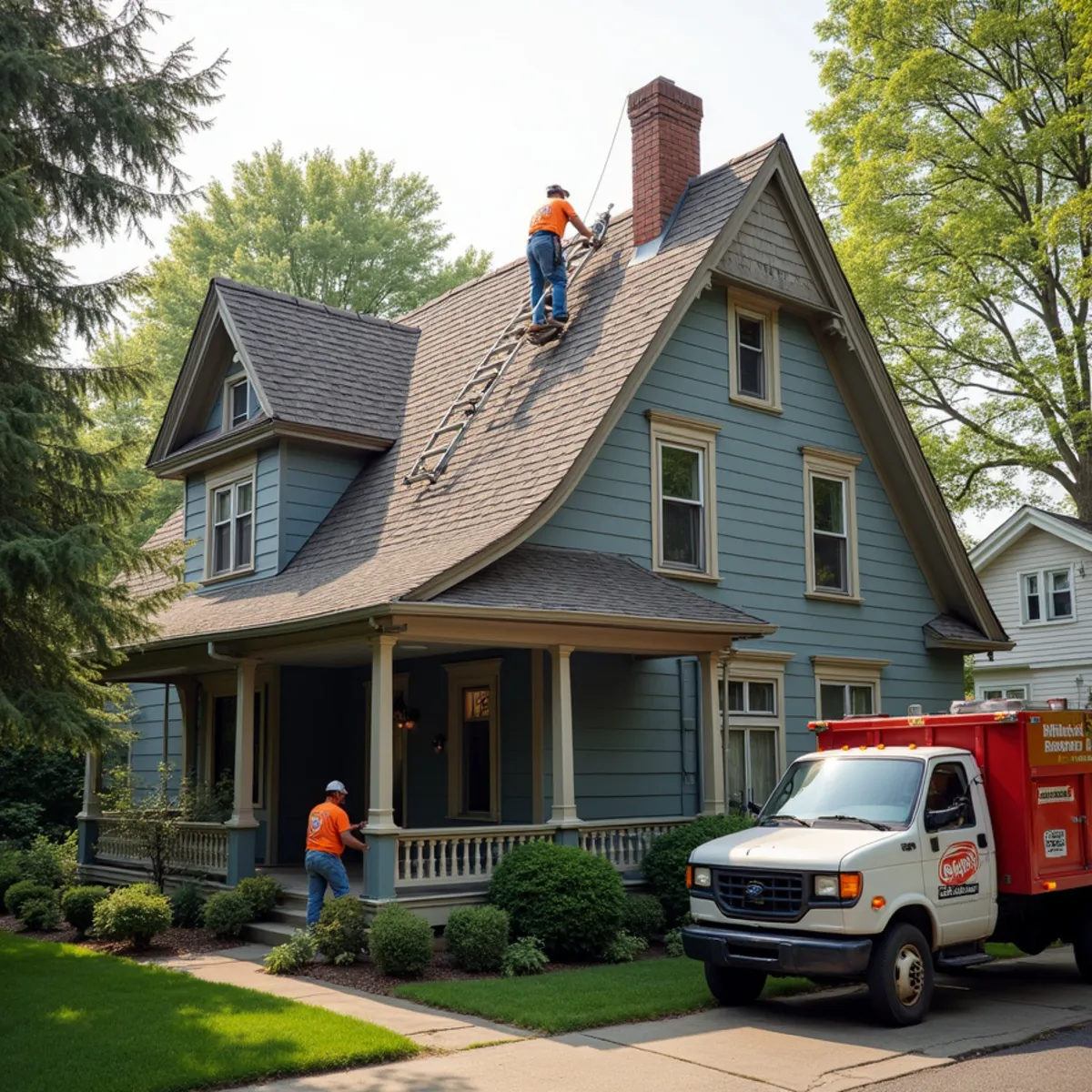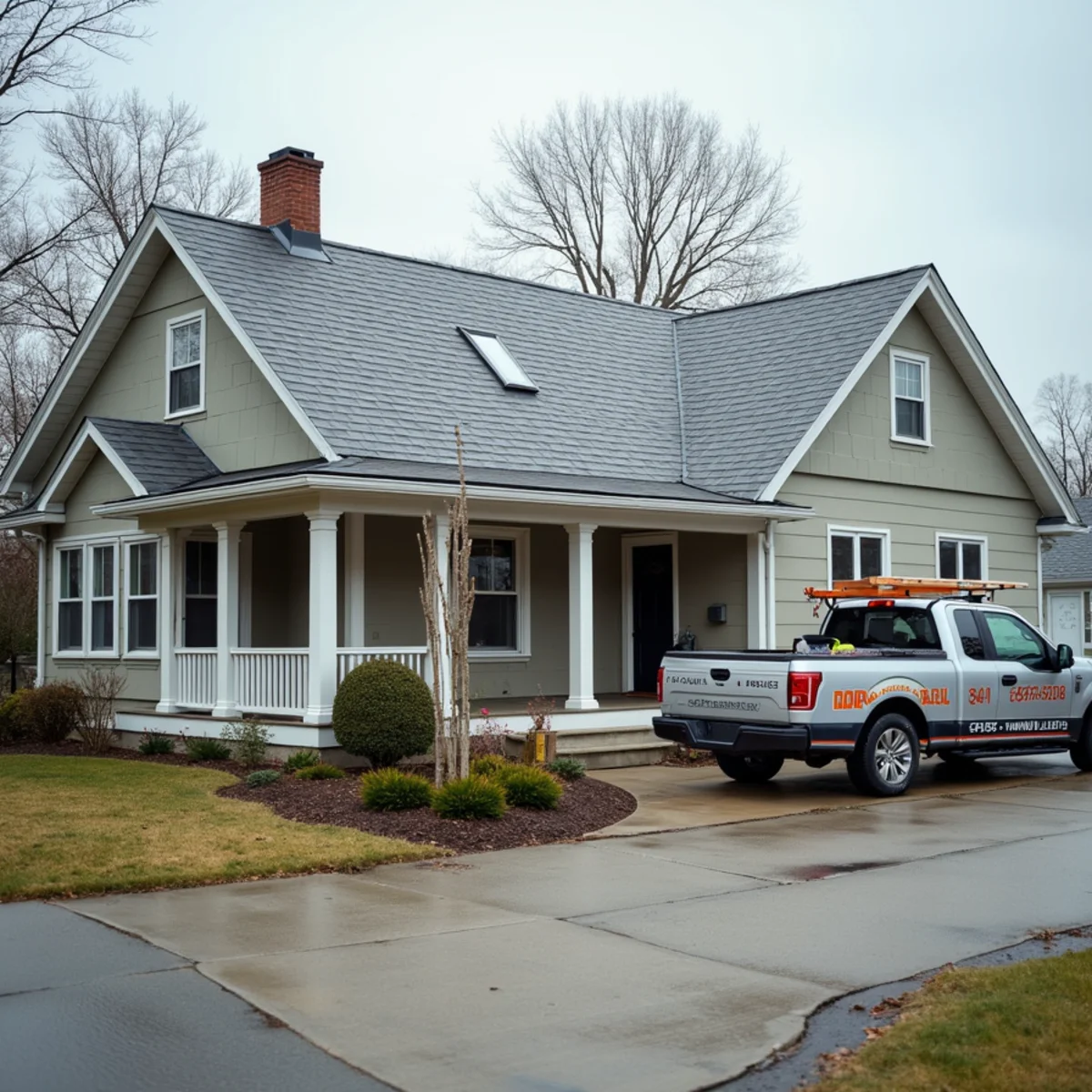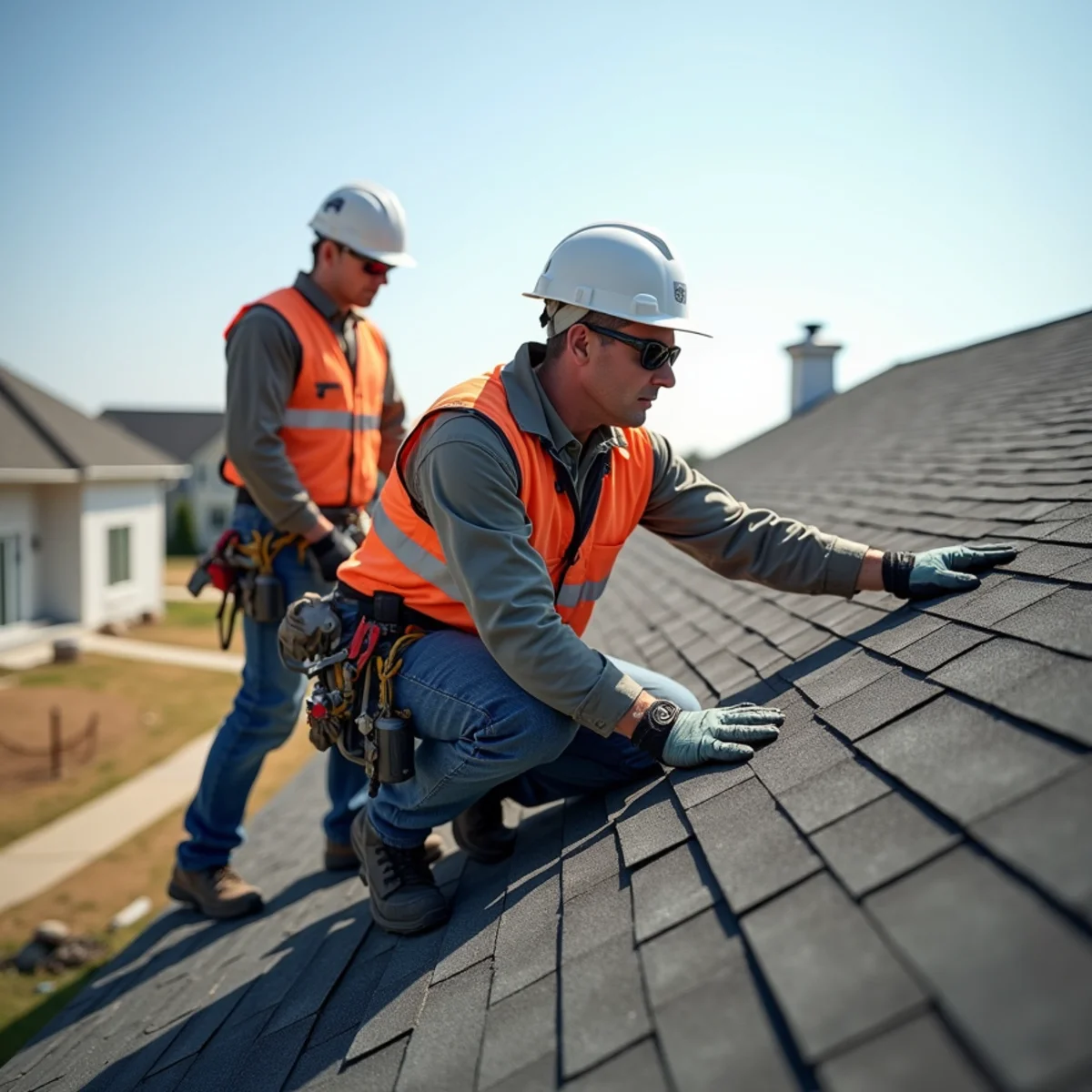
A brand-new roof can still be a bad roof. Here are the builder-defect warning signs St. John and Winfield homeowners should know.
The subdivisions going up around St. John and Winfield are some of the fastest-growing in Lake County, and most of the homes are well built. But volume building moves fast, and roofs are one of the places where a rushed crew or a cut corner shows up a few years later. A brand-new roof is not automatically a good roof, and the defects tend to stay hidden until the first serious leak or the first hard winter.
If you bought new in the last several years, it is worth knowing what a builder-defect roof looks like, because catching it while you may still have builder or manufacturer warranty coverage saves you money. This guide covers the warning signs and what to do. If you spot a problem, an independent roof repair assessment tells you what you are actually dealing with, separate from the builder's own crew.
Why New Roofs Fail Early
Most early roof failures on new homes are not material defects, they are installation defects. Production roofing crews are paid by the square and move fast across a development. When they rush, you get under-driven or over-driven nails, missing or thin underlayment, sloppy flashing, and shortcuts on ventilation. None of that shows up on the walkthrough, but all of it shortens the roof's life and invites leaks.
The materials on a new subdivision roof are usually fine. It is the details, how carefully the shingles were fastened and the transitions were flashed, that separate a roof that lasts from one that fails at year five.
Warning Signs to Watch For
Some of these you can spot from the ground or the attic without walking the roof:
- Shingles that are already lifting, curling or not lying flat within a few years
- Popped nail heads showing through or tenting the shingles above them
- Exposed or bright, unpainted flashing that looks like an afterthought
- Stains on the attic side of the decking or on the underlayment
- Missing or blocked soffit intake and no working ridge ventilation
- Granule loss in gutters far beyond what a new roof should shed
- Sagging or wavy roof lines that suggest decking or framing issues
Popped nails and lifting shingles this early almost always mean fastening problems. A roof installed correctly does not shed shingles or pop nails in its first few years of normal weather.
Ventilation Is a Common Miss
One of the most common builder shortcuts is inadequate attic ventilation. A roof needs balanced intake at the soffits and exhaust at the ridge to flush heat and moisture out of the attic. When builders skip proper soffit venting or install ridge ventilation without matching intake, the attic runs hot and damp. That bakes the shingles from below, shortens their life, and can grow mold on the decking. If your new-home attic feels like an oven in summer or shows moisture in winter, ventilation is a likely culprit.
What to Do If You Suspect a Defect
If you see warning signs, do not just call the builder's roofer, who has an interest in saying everything is fine. Get an independent inspection first so you know the real condition.
- Get an independent roof inspection and a written report with photos.
- Check your builder warranty and shingle manufacturer warranty terms and deadlines.
- Document everything in writing and keep copies of all communication.
- Submit a warranty claim to the builder promptly if the defect is covered.
- If the builder will not act, an independent roofer can scope the correct repair.
Warranty coverage has deadlines, and installation defects are often covered only for a limited window. The sooner you document a problem, the better your position. Manufacturer shingle warranties can also be voided by improper installation or ventilation, which is one more reason an independent assessment matters.
New Homes Still Need Maintenance
Even a well-built new roof benefits from periodic checks. The first few years are when installation defects reveal themselves, so a look after the first hard winter or first big storm is smart. Homeowners across St. John and Winfield who buy new and then check the roof early tend to catch small problems while they are still someone else's warranty responsibility. Quality residential roofing work, whether original or corrective, is about the details, and the details are worth verifying.
Get an Honest Look at Your New Roof
If your new-construction roof is showing warning signs, or you just want an independent opinion before a warranty deadline passes, call Anto Roof Replacement & Repair at (855) 705-1940. We will give you a straight assessment of what was and was not done right, with photos, so you can hold the right party responsible.
The Details a Final Walkthrough Never Catches
A builder walkthrough checks paint, outlets, and cabinet doors. Nobody puts a ladder up to look at the parts of the roof that decide whether it lasts fifteen years or five. Some of the most common production shortcuts are invisible from the yard and from the walkthrough, but a roofer spots them fast. Missing drip edge at the eaves and rakes lets water wick behind the gutter and rot the fascia. Reversed or absent starter shingles leave the first course unsealed to wind. And valleys done sloppily, whether a poorly cut closed-cut or an unlined woven valley, concentrate water at the exact spot where a roof most needs to be watertight.
Fastening is the other quiet failure. Production nail guns run on air pressure, and when it is set too high the nails drive through the shingle mat instead of flush against it, which cuts holding power and voids coverage. Set too low, nails sit proud and tent the shingle above. Neither shows up until shingles start lifting a few years in, which is when many owners first read up on how long asphalt shingles actually last and realize theirs are aging early.
- Drip edge present and correctly lapped at both eaves and rakes
- A real sealed starter course, not cut field shingles, along the edges
- Valleys cleanly lined or cut, with ice-and-water shield underneath
- Nails driven flush in the nailing zone, neither overdriven nor proud
For buyers in the newer developments around Crown Point, an independent look at these details before a warranty deadline is the cheapest insurance on a six-figure home.
Why an Independent Inspection Pays for Itself Before the Warranty Runs Out
An independent roof inspection on a newer home is one of the cheapest things you can spend money on, and one of the highest-return. The reason is timing against your warranty. Builder workmanship coverage and manufacturer shingle warranties both run on deadlines, and installation defects are usually covered only for a limited window. Catch a fastening or flashing problem while someone else is still on the hook and the fix is theirs. Miss the deadline and it becomes yours.
- A caught defect fixed under warranty costs you nothing beyond the inspection
- The same defect out of warranty starts at a minor repair of 150 to 600 dollars and climbs from there
- A moderate repair runs 600 to 2,500 dollars once water has spread past the first shingle
- A defect left to rot the decking can force a full replacement near the 15,991-dollar asphalt benchmark years early
Those are planning benchmarks, not quotes, but the direction is clear: a small inspection fee protects a six-figure home from a five-figure surprise. There is a resale angle too, since a documented, sound roof is one less thing a buyer’s inspector flags. If your inspection turns up real trouble, an independent roof replacement scope tells you what the correct fix costs, and homeowners in the newer Cedar Lake developments who check early tend to catch problems while they are still the builder’s responsibility.
New-Roof Myths That Cost St. John and Winfield Buyers
A brand-new roof buys a lot of false comfort, and the myths that come with it are exactly what let an installation defect quietly age past the warranty deadline. Here is where the reassuring beliefs meet the reality of production roofing.
- Myth: a new roof is under full warranty for decades. Fact: the long number covers the shingle material; the builder’s workmanship coverage on installation is usually a much shorter window.
- Myth: the municipal inspection means the roof is sound. Fact: a code inspection is not a workmanship review, and overdriven nails or missing starter pass right under it.
- Myth: brand-name shingles guarantee a good roof. Fact: improper fastening or inadequate ventilation can void that manufacturer warranty, and good shingles fail early over bad installation.
- Myth: the builder’s roofer will simply fix any problem. Fact: that crew has an interest in calling everything fine, which is why an independent inspection carries more weight.
The practical move is to get an independent look while the coverage clock is still running, because a defect caught in time is someone else’s cost. That verification is the same eye we bring to any asphalt shingle roofing we install, done right the first time. Buyers in the newer developments around Dyer who trade these myths for a documented inspection catch fastening and flashing problems while the builder still owns them.