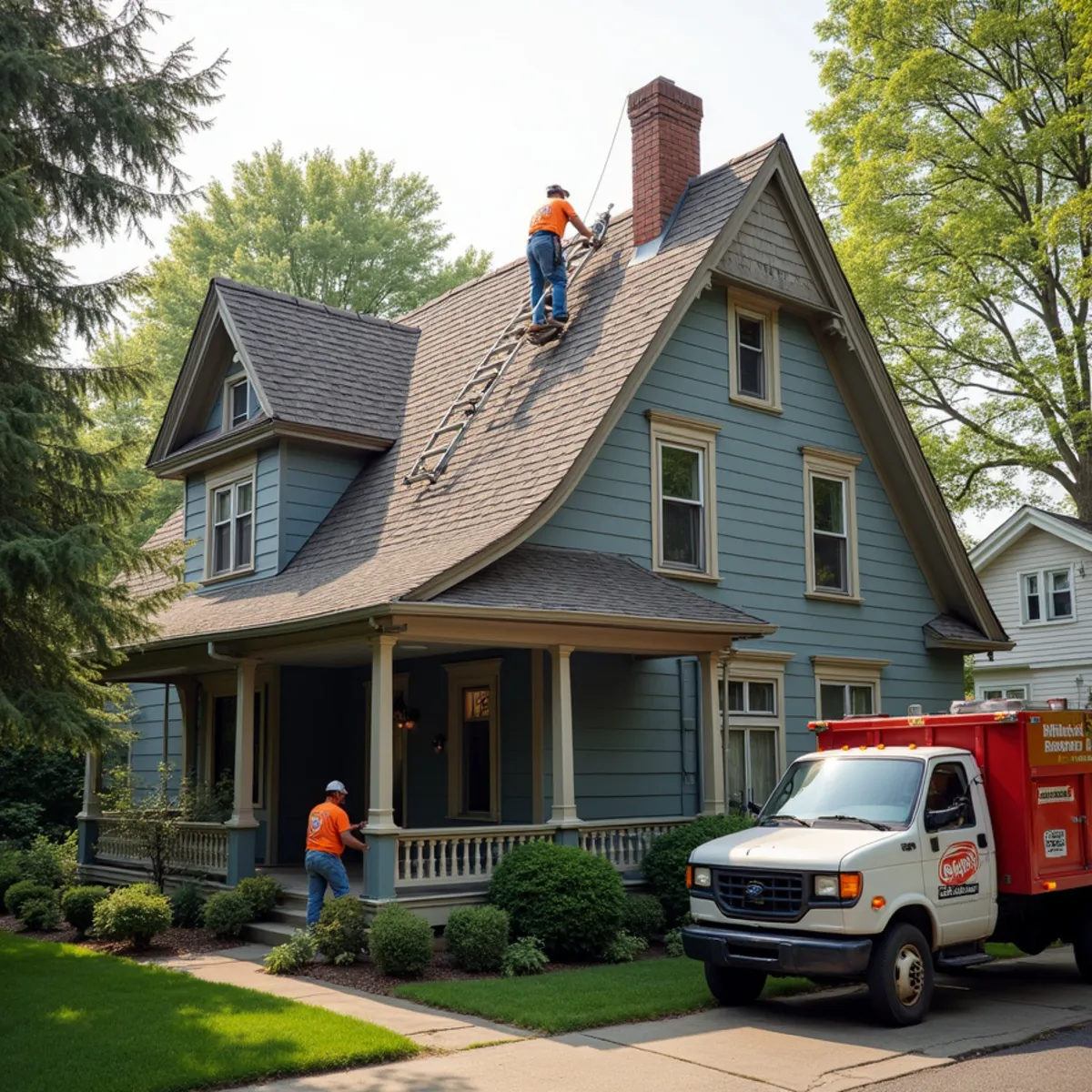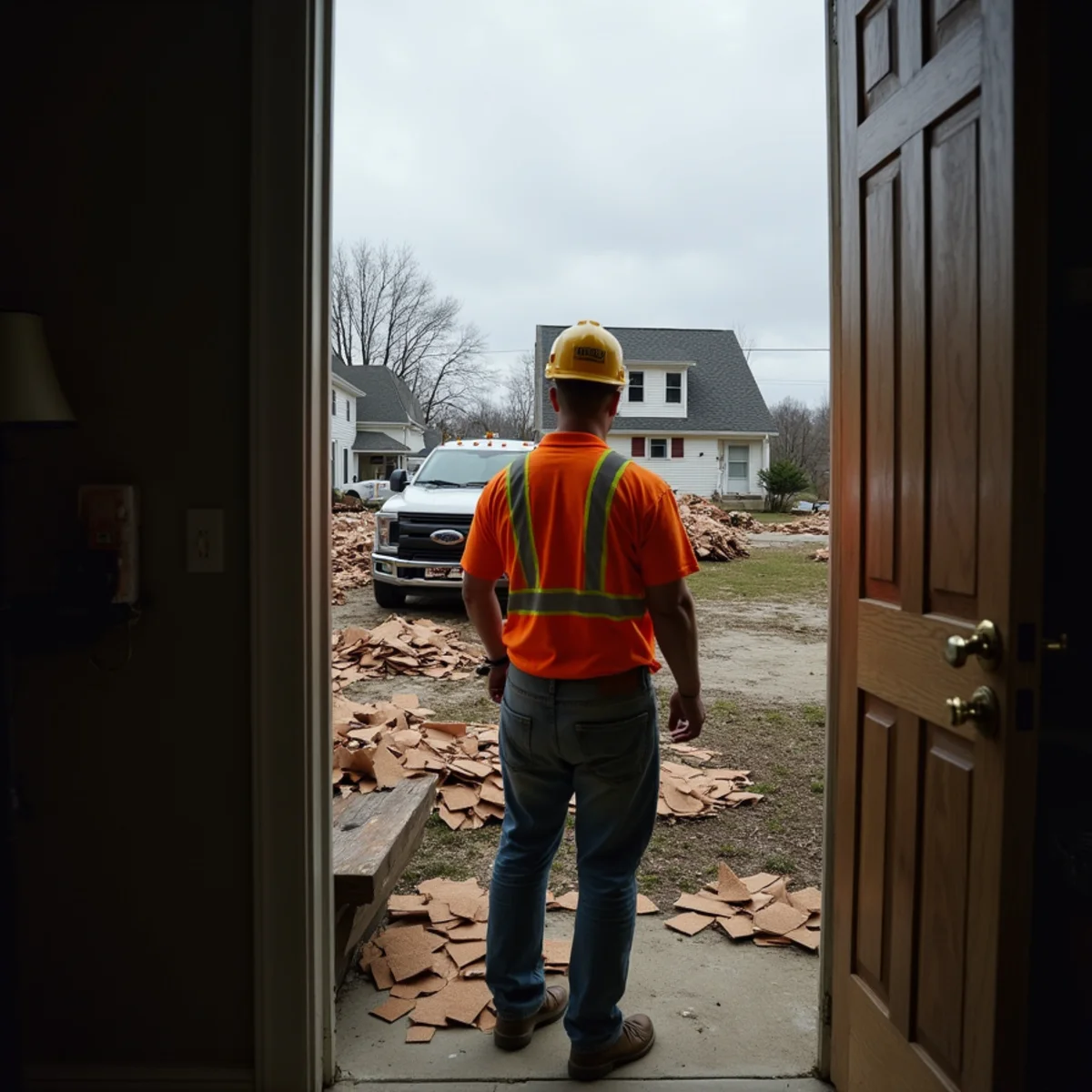
A calm, practical checklist for the first hour after a storm damages your roof in Valparaiso and across Porter County.
When a storm rolls through Valparaiso and you hear shingles peeling or see water spotting the ceiling, the first hour matters more than most homeowners realize. What you do in those first sixty minutes protects your family, keeps water out of your decking, and gives your insurance adjuster a clear record of what happened. The goal is simple: stay safe, stop the water where you can, and document everything.
This guide walks you through the exact steps we recommend to our neighbors after a hailstorm or high-wind event. None of it requires you to climb on the roof. In fact, the most important rule is that you stay off it until conditions are safe and a professional can inspect the damage.
Step 1: Make Sure Everyone Is Safe
Before you think about the roof, think about the people under it. If you see sagging ceilings, water pooling near light fixtures, or a strong smell of gas, get everyone out and call the appropriate authorities. Water and electricity are a dangerous mix. If a ceiling is bulging from trapped water, keep clear of it and shut off power to that area at the breaker if you can do so safely.
- Keep everyone away from rooms with visible ceiling damage.
- Turn off electricity to affected rooms at the breaker panel.
- Do not touch downed power lines or standing water near outlets.
- Stay off the roof, wet decking and loose shingles are slip hazards.
Step 2: Contain Interior Water
If water is coming through the ceiling, place buckets and towels to catch it and move furniture and electronics out of the way. A small hole poked in a bulging, water-filled ceiling with a screwdriver will drain the water in a controlled spot rather than letting the whole ceiling collapse. The EPA advises drying wet materials within 24 to 48 hours to prevent mold, so getting airflow on soaked carpet and drywall early makes a real difference later.
Contain what you can, but do not try to chase the leak into the attic during the storm. If active water is pouring in and the ceiling is failing, this is when our emergency roof repair crew earns its keep. Call us and we will talk you through stabilizing the situation.
Step 3: Document the Damage
Insurance decisions are built on evidence. From the ground, take clear photos and video of anything you can see: shingles in the yard, dented gutters, cracked flashing, and water stains inside. Note the date and time. If National Weather Service Chicago warnings were issued for your area, that helps establish the storm event tied to your damage.
- Photograph the exterior from the ground on every side of the house.
- Photograph every interior water stain, drip, and soaked material.
- Save any shingles or debris that landed in your yard.
- Write down the date, time, and any weather alerts you received.
Why Documentation Protects You
Adjusters process many claims after a regional storm, and a well-documented file moves faster and gets treated more fairly. Our team handles this every week and can help align your evidence with what the adjuster needs. Learn how we support the paperwork side on our roof insurance claims assistance page.
Step 4: Get a Tarp on It, Safely
Once the wind dies down, an exposed section of decking needs a barrier before the next round of rain. Professional tarping is not just a blue sheet thrown over the peak, it is anchored underlayment-grade material fastened to keep water from tracking under adjacent shingles. Our emergency roof tarping service stabilizes the opening so the interior stops taking on water while your claim is processed.
Homeowners across Porter County roofing service areas call us for this exact reason: a proper temporary cover buys time and prevents a bad day from becoming a gutted attic.
Step 5: Schedule a Professional Inspection
Hail damage in particular is easy to miss from the ground. Bruised shingles, granule loss, and cracked mat can shorten a roof's life without an obvious hole. A qualified inspection documents the true extent of the damage, which matters both for your safety and your claim. Our full storm damage roof restoration process starts with a detailed inspection and a clear report you can hand to your insurer.
The Bottom Line
The first hour after storm damage is about people first, then water, then evidence. Stay off the roof, contain interior leaks, document everything, get a safe tarp in place, and schedule a professional inspection. Homeowners in Valparaiso roofing and the surrounding towns trust us to guide them through exactly these steps. When the storm passes and you need help fast, call Anto Roof Replacement & Repair at (855) 705-1940 and we will get your home stabilized.
Which Storm Damage Is an Emergency and Which Can Wait Until Morning?
Not every bit of storm damage needs a midnight phone call, and knowing the difference keeps you from panicking over a bent gutter while missing the leak that actually threatens your decking. The dividing line is water. If the roof envelope is broken over a living space and rain is still in the forecast, that is an active emergency because every hour of exposure soaks more insulation and drywall. A few shingles lost on a garage slope with clear skies overhead can wait for a scheduled inspection.
Treat These as Same-Day Problems
- A hole or peeled-back section over any heated, occupied part of the house.
- Exposed decking on a windward slope with more storms in the National Weather Service Chicago forecast.
- Flashing torn loose at a chimney or valley, where water concentrates fastest.
- A tree limb resting on the roof, which keeps flexing shingles loose with every gust.
One thing homeowners forget in the scramble: your attic tells the truth before your ceiling does. If it is safe to look, a flashlight in the attic during a lull shows wet decking and drip trails long before a stain reaches the drywall below. That early read helps our crew know where to focus, and it feeds the same evidence file your adjuster will want. When the damage clearly crosses into emergency territory, our emergency roof repair line at (855) 705-1940 gets a stabilization plan moving.
The roof does not have to be gone to be an emergency. A broken envelope over living space plus rain in the forecast is enough.
Homeowners across Porter County roofing service areas learn this the hard way when a repairable slope turns into a gutted attic over a weekend. Triage first, then act on the water.
The First-Hour Mistakes That Cost Homeowners the Most
Panic in that first hour tends to push people toward a handful of predictable errors, and every one of them either endangers someone or quietly weakens the claim you will file later. Knowing the traps ahead of time is most of the work of avoiding them, because in the moment the wrong move feels like the responsible one.
- Climbing onto a wet, storm-loosened roof to get a closer look, which is how homeowners end up in the emergency room instead of the insurance file.
- Sweeping up the shingles and debris that landed in the yard before photographing them, throwing away the evidence an adjuster uses to date the storm.
- Making a permanent repair right away, before the damage is documented, which can leave you unable to prove what the storm actually did.
- Signing a contract with the first door-knocker who appears, often within hours of the National Weather Service Chicago warnings clearing.
- Assuming a dry ceiling means a dry attic, when water can sit in insulation for days before it stains the drywall below.
The pattern behind all of these is moving fast in the wrong direction. The right speed is quick on safety and documentation, patient on contracts and permanent fixes. A thorough hail damage inspection can wait a day or two; it cannot be undone once you have swept the yard and reshingled the slope. Homeowners across Portage service areas who slow down at exactly the points where others rush end up with cleaner claims and safer first hours.
Storm Damage Myths That Cost Homeowners in the First Hour
After a storm, the advice that gets passed around the neighborhood is a mix of good instinct and stubborn myth, and the myths are the ones that cost people money and safety. Sorting fact from fiction before the next front rolls through means you act on what is true instead of what merely feels true in the moment.
- Myth: if the ceiling is dry, the roof is fine. Fact: water can sit in decking and insulation for days before it stains the drywall, so a dry ceiling proves nothing on its own.
- Myth: you have to accept the first contractor who knocks after a storm. Fact: reputable roofers do not chase storms door to door, and you have every right to wait, verify, and get the damage documented first.
- Myth: a contractor can get you a new roof for free by covering the deductible. Fact: Indiana law prohibits waiving deductibles, and the deductible is always the homeowner’s responsibility.
- Myth: minor-looking hail is harmless. Fact: hail bruises the shingle mat and knocks granules loose in ways that only show up as leaks months later.
The most expensive storm myth is that a calm ceiling means a safe attic. Water keeps its own schedule.
The safest path is boring on purpose: confirm everyone is safe, document from the ground, and let a professional read the roof. If the storm followed National Weather Service Chicago warnings, note the date for your file, then book an unhurried professional roof repair assessment rather than signing anything on the spot. Homeowners across Hobart service areas who treat these myths as the traps they are come out of storm season with cleaner claims and intact roofs.