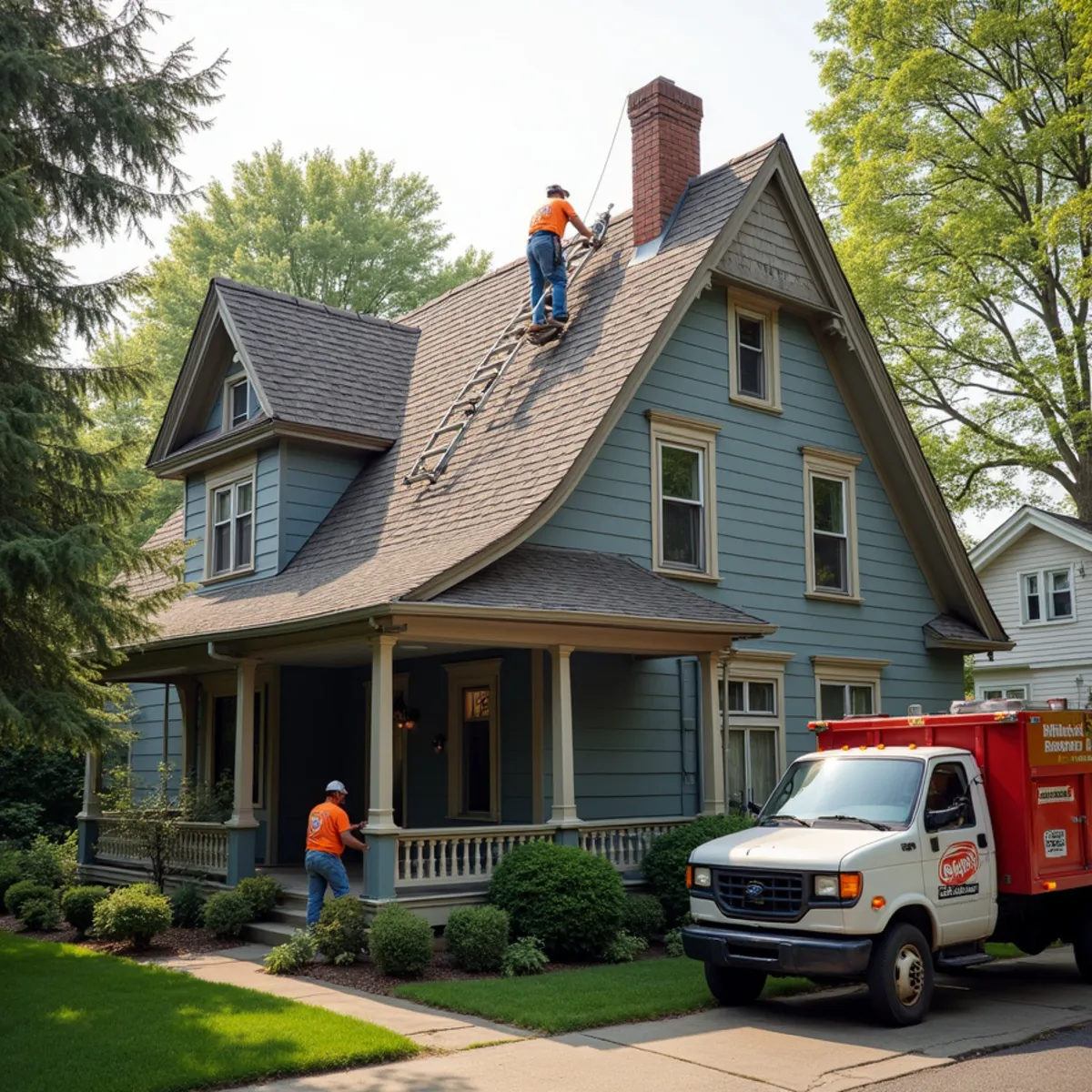
The difference between RCV and ACV coverage and how each one changes what your insurer actually pays for a new roof.
Two homeowners on the same street can have nearly identical roofs, the same storm damage, and wildly different insurance checks. The reason usually comes down to two letters on their policy: RCV or ACV. These abbreviations decide whether your insurer pays to fully replace your roof or only reimburses its depreciated value. Knowing which one you have before you file changes how you plan and what you can expect.
This is one of the most misunderstood parts of a roof claim, and it costs people real money. Here is what each term means and how it plays out on an actual replacement.
What ACV Means
ACV stands for actual cash value. Under an ACV policy, the insurer pays what your roof was worth at the moment of the loss, which means the replacement cost minus depreciation for age and wear. A fifteen year old asphalt roof has lost a good share of its value on paper, so an ACV payout can fall well short of what a new roof actually costs. You make up the difference out of pocket, on top of your deductible.
What RCV Means
RCV stands for replacement cost value. Under an RCV policy, the insurer pays the full cost to replace your roof with a new one of like kind and quality, without deducting for age. You still pay your deductible, but you are not eating the depreciation. This is the more protective coverage, and it is what most homeowners want when a storm takes their roof.
- ACV pays replacement cost minus depreciation, you cover the gap.
- RCV pays the full replacement cost, minus only your deductible.
- Both require you to pay your deductible, which Indiana law says cannot be waived.
- RCV usually costs a bit more in premium for a lot more protection.
How RCV Is Actually Paid: The Two-Check System
Here is where people get tripped up. An RCV policy does not hand you the full amount upfront. The insurer first pays the actual cash value, the depreciated figure, and holds back the rest, called recoverable depreciation. Once the work is finished and the final invoice is submitted, they release that second check. In practice you get two payments, and the total equals the replacement cost minus your deductible.
- First check: the actual cash value of the roof at the time of loss.
- You complete the roof replacement with a licensed contractor.
- Final invoice is submitted to the insurer.
- Second check: the recoverable depreciation is released.
The catch is that recoverable depreciation is only released if you actually do the work and document it. If you pocket the first check and skip the replacement, you forfeit the depreciation. Our roof insurance claims support makes sure the paperwork is complete so no money is left on the table.
What This Looks Like in Dollars
Say a full asphalt roof replacement carries a planning benchmark near 15,991 dollars. Under RCV with a 1,500 dollar deductible, the insurer ultimately covers 14,491 across two checks and you pay the deductible. Under ACV on a older roof, depreciation might reduce the covered amount by several thousand dollars, and that gap comes out of your pocket. Same roof, very different day. These figures are planning benchmarks, not a quote, since size, pitch, and material all move the final number.
How to Find Out Which You Have
Your declarations page lists your coverage type, though the wording varies. Look for replacement cost or actual cash value language on the dwelling and roof coverage. Some policies also apply a separate roof schedule that shifts older roofs to ACV automatically. If you cannot tell, call your agent and ask plainly. We help homeowners across Hobart roofing and Hammond roofing service areas read these details before they file so there are no surprises.
The Bottom Line
RCV pays to make you whole with a new roof, ACV pays only the depreciated value and leaves you to cover the rest. Both still require your deductible, which Indiana law protects from being waived. Check your declarations page before a storm forces the question. For help understanding your coverage and getting an honest replacement estimate, call Anto Roof Replacement & Repair at (855) 705-1940.
How Does a Roof-Age Schedule Quietly Turn Your RCV Policy Into ACV?
Plenty of homeowners are certain they bought replacement cost coverage, then get a claim check that looks a lot like actual cash value. The culprit is usually a roof surfaces endorsement, sometimes called an ACV roof schedule, that carriers have added to policies across the Midwest as hail losses climbed. It is real coverage, but it changes the math the moment your roof passes a certain age, and it is written in language most people skim right past at renewal.
Where to Look and What It Sounds Like
- A line on the declarations page reading roof surfaces settled at actual cash value or a windstorm/hail loss settlement endorsement.
- A payment schedule that pays a declining percentage of replacement cost as the roof ages past ten or fifteen years.
- Separate, higher wind and hail deductibles, sometimes expressed as a percentage of the dwelling rather than a flat dollar amount.
- Cosmetic damage exclusions that treat dents in metal or vents as non-covered.
The reason this matters is timing. If your roof is fourteen years old and the schedule steps down at fifteen, the difference between filing this year and next can be thousands of dollars in recoverable value. That is not a reason to file a bad claim, but it is a strong reason to read your policy before a storm forces the question rather than after. We help homeowners weigh a legitimate, documented claim against their coverage as part of our roof insurance claims support.
The endorsement that quietly reduced your payout was in the mail at renewal. The time to read it is before the hail, not after.
One more wrinkle: a percentage-based wind and hail deductible can be far larger than the flat deductible people assume they have. On a covered claim that deductible is still entirely yours under Indiana law, so knowing the real number ahead of time prevents an unwelcome surprise. Homeowners around Hammond roofing service areas are often glad they checked before they needed to.
How Homeowners Forfeit Their Recoverable Depreciation
The second check in an RCV claim, the recoverable depreciation, is the part homeowners most often leave on the table. It is not automatic. The insurer holds it back until you prove the work was actually done, and several ordinary slip-ups can forfeit it entirely.
- Pocketing the first actual-cash-value check and never doing the replacement, which cancels the depreciation outright.
- Missing the deadline in the policy, since many carriers set a window, often a year or two, to complete the work and submit the final invoice.
- Failing to send the final, itemized invoice and proof of completion, which is the paperwork that releases the second check.
- Skipping supplements for hidden damage found at tear-off, so you never recover the full amount you were actually owed.
Keeping the depreciation is mostly a matter of doing the work, documenting it, and meeting the clock. A contractor who understands the claim, such as a team handling your storm damage roof restoration from inspection through final invoice, keeps that paperwork tight so nothing is forfeited. Homeowners around Crown Point service areas who watch the deadline recover the full value of their coverage, minus only the deductible that Indiana law keeps as their responsibility.
What to Ask Your Agent Before a Storm Forces the Question
The worst time to learn how your roof is covered is standing in the driveway after a storm. A ten-minute call to your agent while the sky is clear tells you exactly what to expect, and these are the questions that actually move the number on your future claim.
- Is my roof covered at replacement cost value or actual cash value, and does that change once the roof passes a certain age?
- Is there a separate roof surfaces endorsement or ACV roof schedule on my policy?
- Is my wind and hail deductible a flat dollar amount or a percentage of the dwelling? The percentage version can be far larger.
- How long after a loss do I have to complete the work and claim the recoverable depreciation?
- What documentation do you need to release that second check?
Write the answers down and keep them with your policy where you can find them fast. Knowing whether you carry RCV or ACV, and what your real deductible is, lets you weigh a legitimate claim before you ever file, especially after a hailstorm like the ones covered in our Indiana hail claim walkthrough. Homeowners across Valparaiso service areas who make that call ahead of time are never surprised by the size of the check, or by the deductible that Indiana law keeps as theirs to pay no matter which coverage they hold.