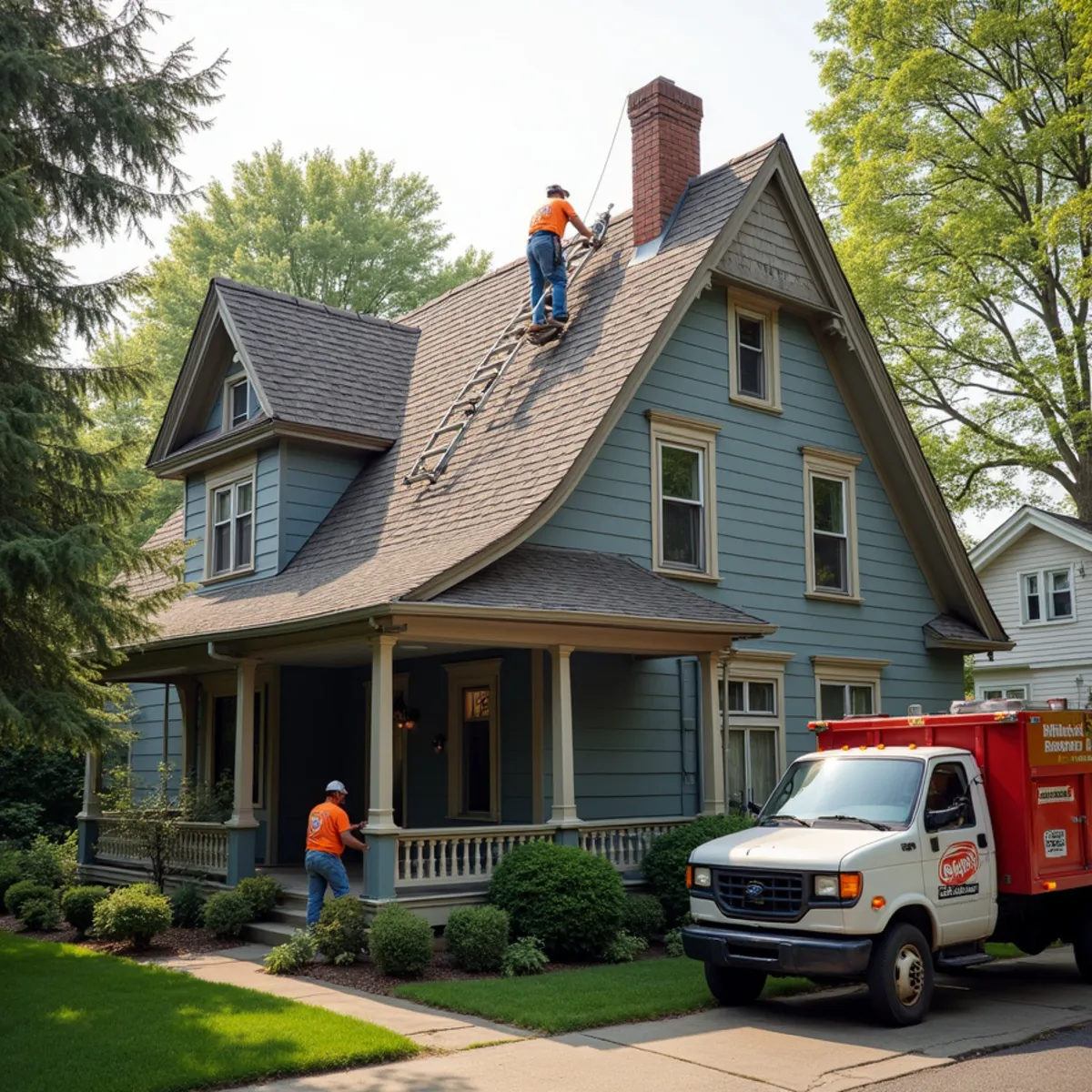
Hail damage often hides for months. Here is how to tell if the May 2024 storm bruised your Valparaiso roof before leaks appear.
On May 7, 2024, storms rolled across Porter County and dropped hail up to golf-ball size on Valparaiso and the surrounding towns, matching National Weather Service Chicago warnings issued that afternoon. Big hail like that does not always leave an obvious hole in the roof. More often it bruises the shingles, knocks granules loose, and cracks the mat underneath in ways you cannot see from the driveway. Months later, those bruises turn into leaks.
If your home took that storm and you have not had the roof looked at, it is worth a check. Hail damage is one of the few roofing problems that hides in plain sight, and the window to document it for insurance does not stay open forever. This is where a proper hail damage roof repair inspection pays for itself, and where getting the roof insurance claims paperwork right makes all the difference.
Why Hail Damage Hides
When hail strikes an asphalt shingle, it can knock off the protective granule layer and bruise the fiberglass mat below without punching through. From the ground, the roof looks fine. But those granules are the shingle's sunscreen. Once they are gone, the exposed asphalt bakes in the sun, dries out, and cracks. The bruise you cannot see today becomes a soft spot that lets water through next winter during freeze-thaw.
That delay is exactly why so many homeowners miss hail damage. They wait for a leak, and by the time the ceiling stains, the damage has spread and the storm date is a distant memory that insurers question.
Signs Your Valparaiso Roof May Be Hurt
You can look for some of these from the ground or a ladder, safely, without walking the roof:
- Dark spots or dimples on shingles where granules are missing
- A buildup of granules in the gutters and at the bottom of downspouts
- Dents on metal vents, valleys, flashing, or the furnace cap
- Dings and splatter marks on gutters, downspouts and window wraps
- Cracked or bruised shingles that feel soft underfoot to a roofer
- Split or torn shingle edges, especially on the storm-facing slope
Dents on soft metal like gutters and vent caps are a tell. If the hail was hard enough to dent aluminum, it was hard enough to bruise your shingles.
Do Not Wait Out the Claim Window
Homeowners insurance generally covers hail damage, but policies have time limits for filing a claim after a storm. The longer you wait, the harder it is to prove the damage came from the May 7 event rather than ordinary wear. A documented inspection tied to that National Weather Service warning date gives your claim a solid foundation.
One thing every Indiana homeowner should understand: your deductible is your responsibility. Indiana law prohibits any contractor from waiving, rebating or absorbing your insurance deductible, so be wary of anyone promising a free roof or offering to eat your deductible. That is not a deal, it is illegal, and it is a sign of a contractor you do not want on your roof. A legitimate roofer helps you document the damage honestly and get a fair scope from your carrier.
How the Inspection and Claim Work
- A roofer inspects the roof, flashing, vents and gutters and photographs every hail strike.
- You file a claim with your insurer and reference the May 7, 2024 storm date.
- The insurance adjuster inspects, ideally with your roofer present to point out damage.
- The carrier issues a scope and payment, minus your deductible, which you pay.
- The roof is repaired or replaced to the approved scope.
Having your roofer meet the adjuster on the roof matters. Adjusters cover a lot of houses fast, and an experienced roofer makes sure the hail hits on the back slopes and the soft-metal evidence do not get overlooked.
Neighbors Are Filing Too
If the May 7 storm hit your street, it likely hit your neighbors. Homes across Valparaiso and nearby Porter all sat under the same cells. A neighborhood that files documented claims together tends to get consistent, fair treatment from carriers, and it is a good sign your damage is real and storm-related.
Get Your Roof Checked Before the Next Freeze
If your home was under the May 7, 2024 hail and you have not had it inspected, call Anto Roof Replacement & Repair at (855) 705-1940. We will document any damage honestly, help you understand your insurance options, and never ask you to do anything that crosses Indiana's deductible law. Catch the damage now, before it turns into a winter leak.
What an Adjuster's Test Square Actually Proves
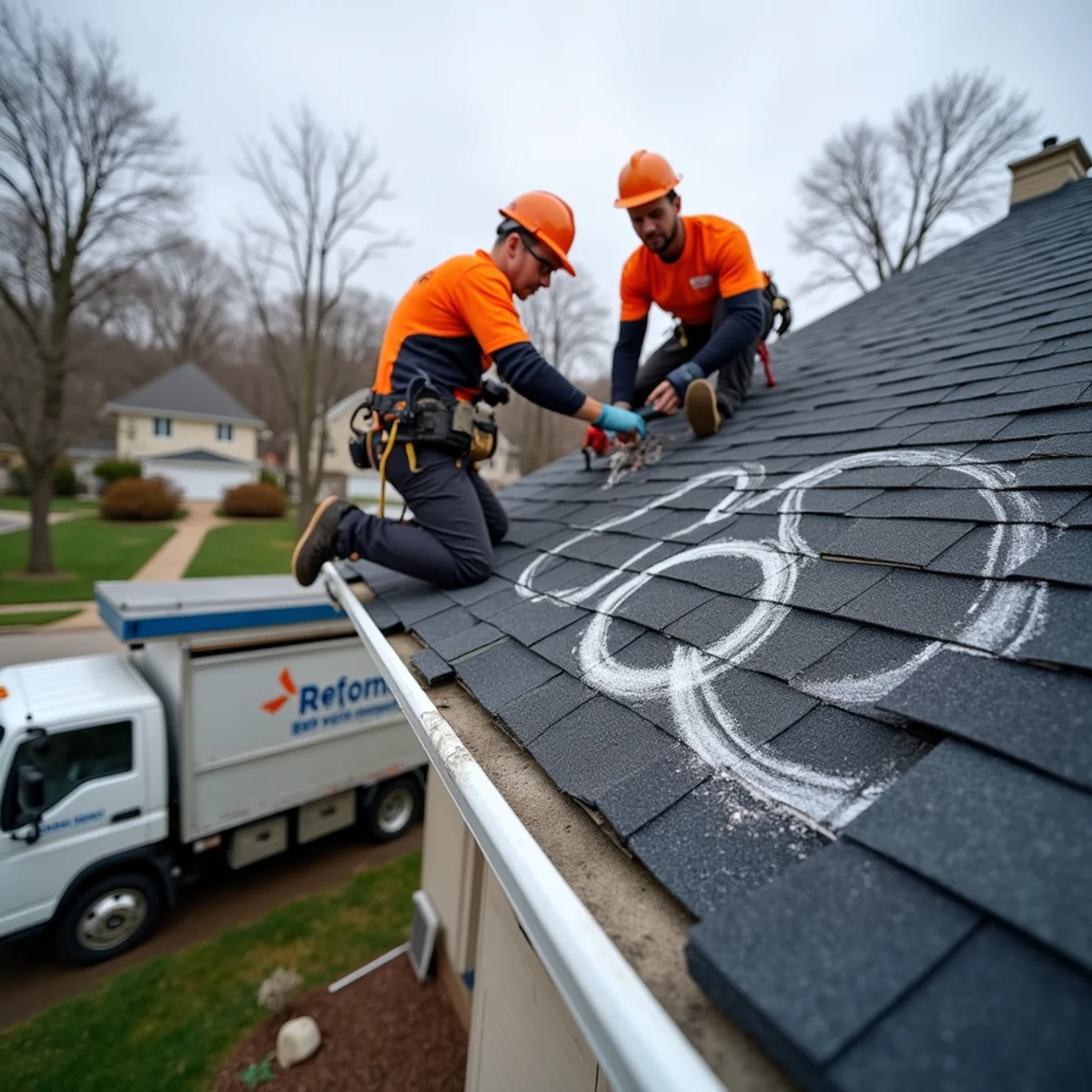
When an adjuster climbs your roof after the May 7 storm, the assessment usually comes down to a test square: a marked-off ten-by-ten-foot area where they count the hail hits. Insurers typically want a threshold number of functional bruises inside that square before they approve a slope or the whole roof. This is exactly why having your roofer on the roof matters. A good roofer marks each strike with chalk on the storm-facing slopes, where hits cluster, so a fast-moving adjuster does not close a legitimate claim because they squared off the wrong section.
There is a real distinction the process turns on: cosmetic versus functional damage. A dent in a gutter is cosmetic. A bruise that has fractured the fiberglass mat and knocked the granules loose is functional, because it will fail. Adjusters are trained to separate the two, and honest roofers do the same. We never pad a claim with cosmetic dings, because that is how a whole neighborhood loses credibility with a carrier.
Why Matching Shingles Is Harder Than It Sounds
If your roof took partial hail damage, you may run into the matching problem. Shingle lines get discontinued, and colors weather over years of Indiana sun, so a repaired slope can stand out against the rest. Whether a carrier owes you a full slope or roof for a match depends on your policy language, which is worth reading closely alongside our breakdown of a hail insurance claim. Across Porter County, we document the existing shingle brand and color at inspection so the matching question gets raised early, not after the crew is on site.
Hail Damage: What You Can Check Yourself and What Needs a Pro
You do not need a roofer to tell you a hailstorm was serious, but you do need one to confirm what it did to your shingles. The dividing line is simple: anything you can see with both feet on the ground or a stable ladder at the eave is fair game to check yourself, and anything that means walking the slope is not. From the ground you can catch the tells that point to real damage.
- Dents and splatter on gutters, downspouts, vent caps, and the furnace flashing
- Granules washed into the gutters and piled at the base of the downspouts
- Dimples or dark spots on shingles visible from a ladder at the eave
- Dated, ground-level photos of every side of the house for your records
What you cannot do safely is the part that actually settles a claim. Hail bruising is felt as much as seen, so a roofer walks the slopes to press-test soft spots in the mat, chalks and counts strikes in a test square on the storm-facing sides, and meets the adjuster on the roof so nothing on the back slopes gets overlooked. That is skilled, fall-risk work, not a Saturday project.
Do the ground check, then let a pro handle the roof itself and the record that supports any storm damage roof restoration to come. Homeowners around Chesterton who split the job this way get the full picture without ever setting foot on a damaged slope.
Hail-Damage Myths That Keep Valparaiso Roofs Unrepaired
Two years on from the May 7, 2024 storm, the roofs still hiding damage usually belong to owners who believed one of a handful of hail myths. Each one sounds reasonable, and each one lets functional damage sit until it turns into a winter leak.
- Myth: no leak means no damage. Fact: hail bruises the mat and strips granules long before water gets through; the leak is the last symptom, not the first.
- Myth: a newer roof cannot be hail damaged. Fact: age does not armor a shingle against golf-ball hail, and a two-year-old roof can be bruised as badly as a ten-year-old one.
- Myth: my whole neighborhood filed, so mine is automatic. Fact: coverage still turns on documented, functional damage on your specific slopes, which is why a test-square inspection matters.
- Myth: it is too late now. Fact: policies set filing deadlines, but many still allow a claim tied to a documented storm date, so it is worth checking rather than assuming the window closed.
The other myth worth retiring is that a replacement-cost policy always pays full replacement; a roof-age endorsement can quietly settle an older roof at depreciated value, as our breakdown of replacement cost versus actual cash value explains. Whatever the storm did, your deductible stays yours under Indiana law. Homeowners across Portage who separate these myths from the facts get their damage documented while it still can be.